
FIELDWORK
GROUND TRANSFER
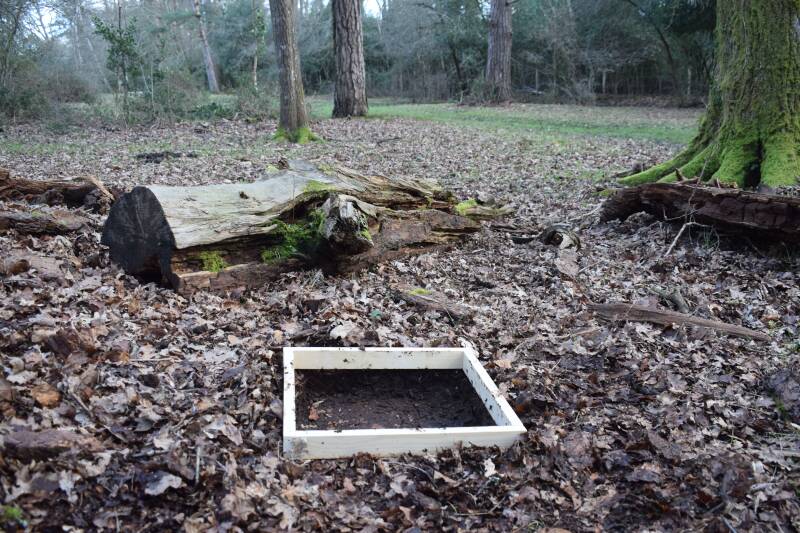


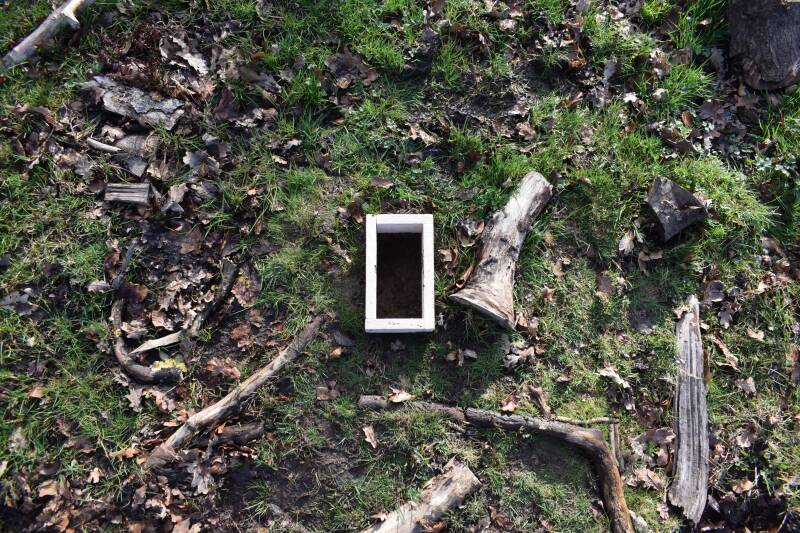
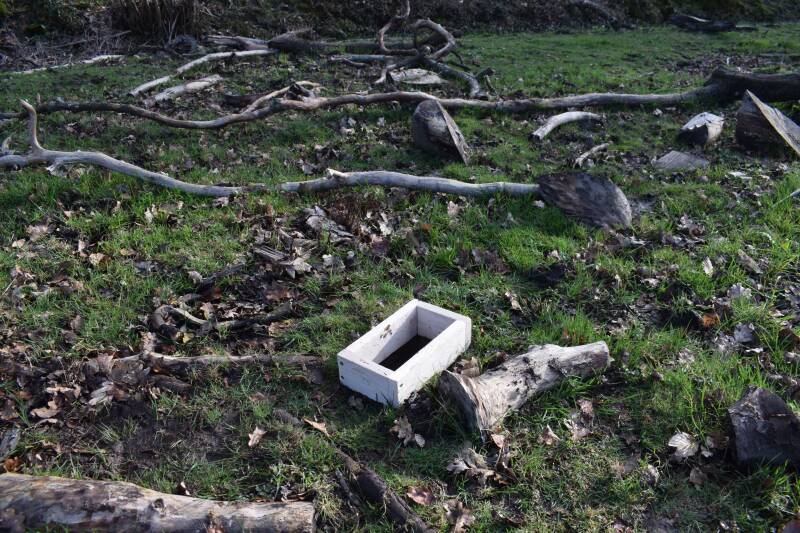
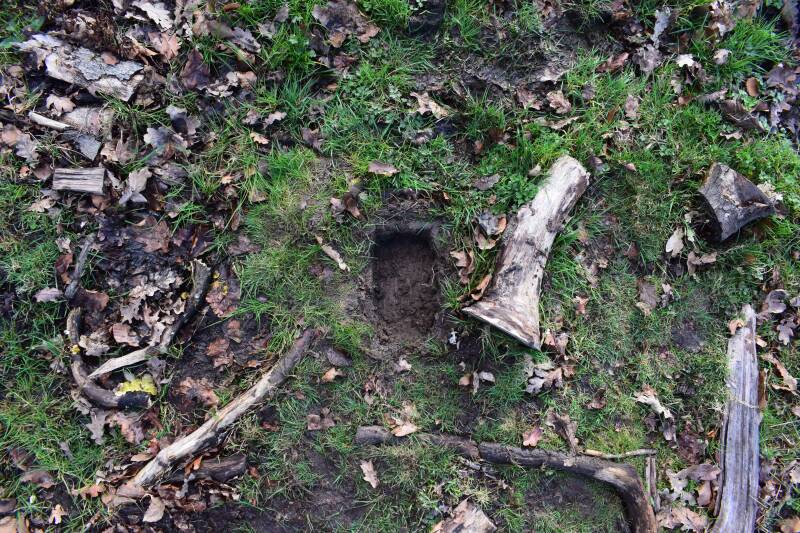


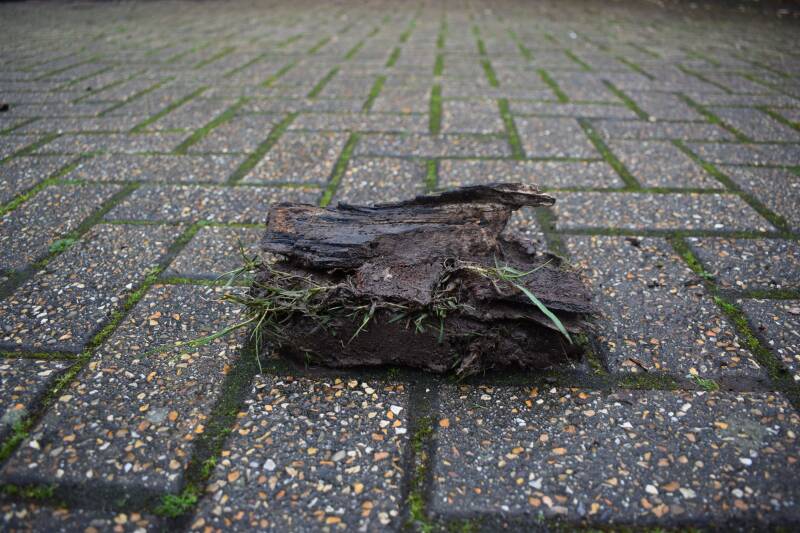
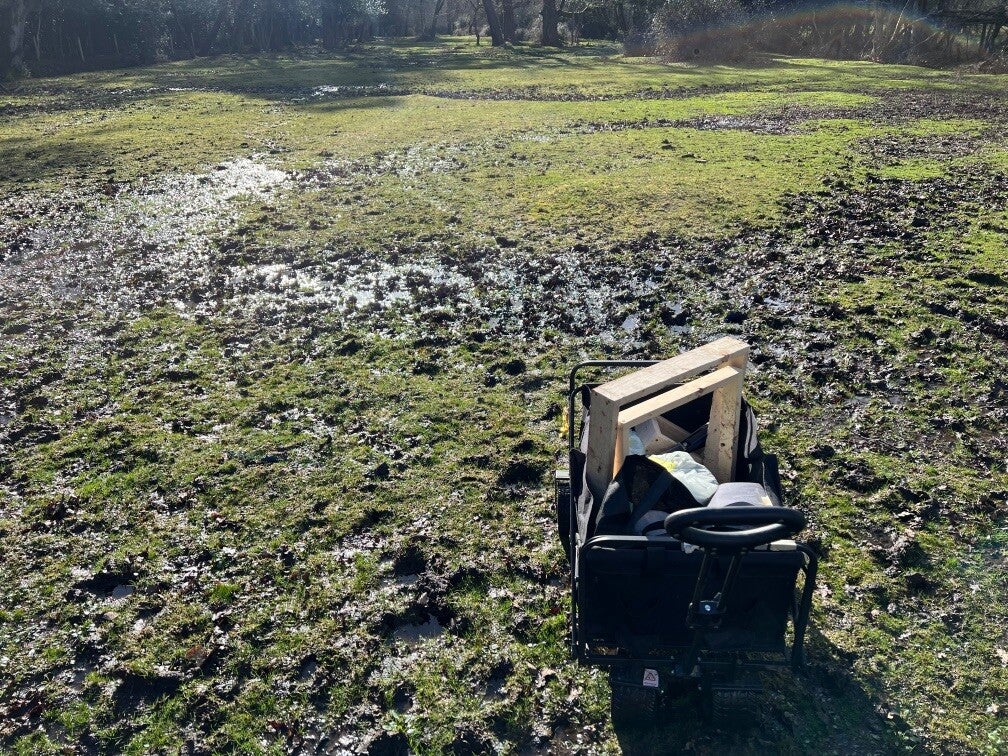
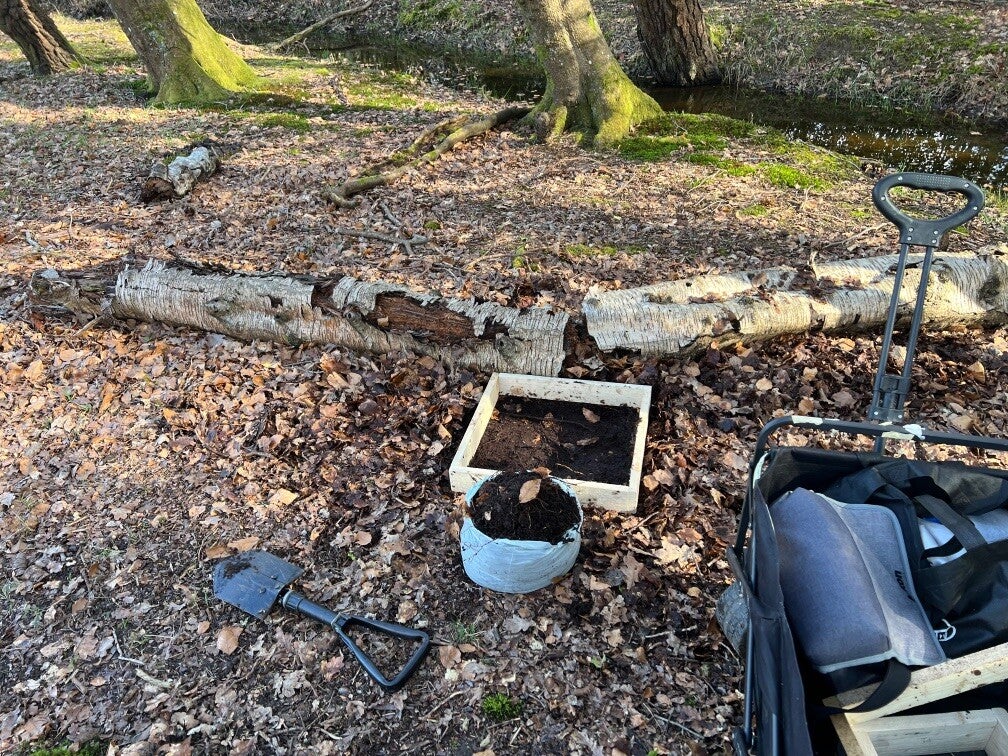
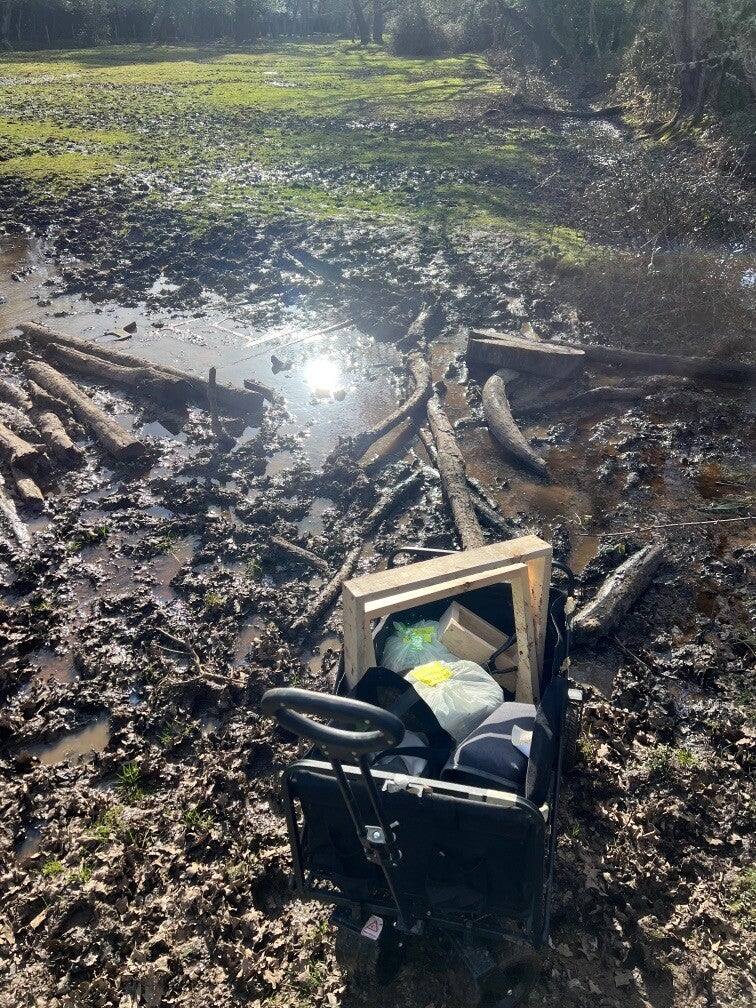
50.8904312, -1.5204903 > 50.8988957, -1.3981011
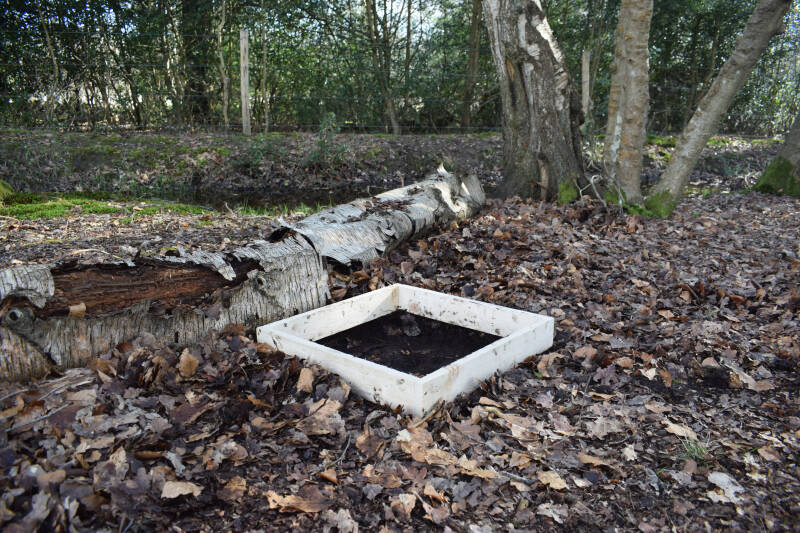

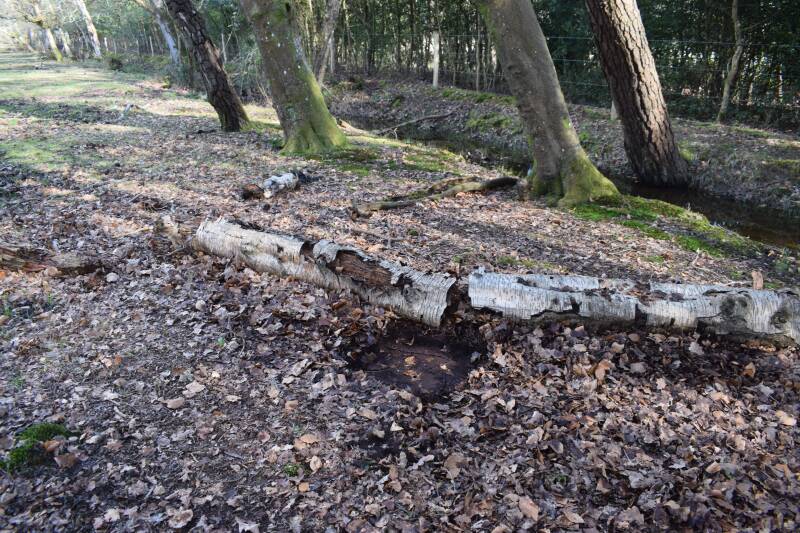

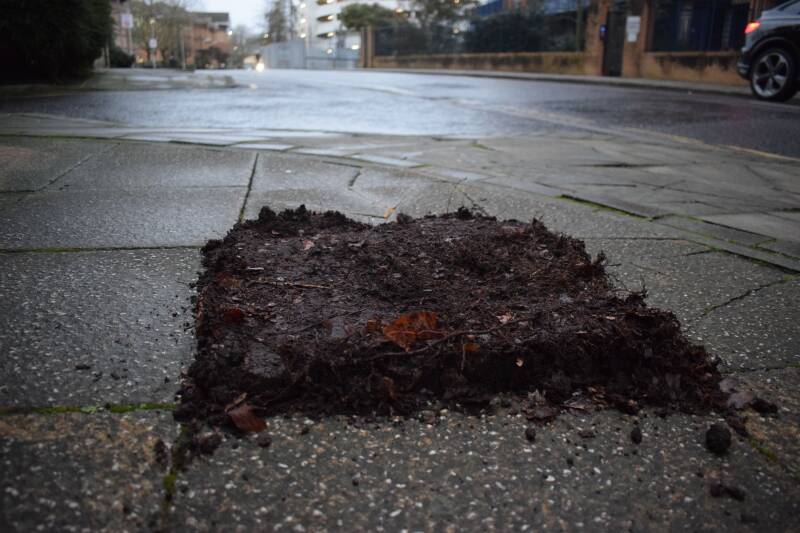

50.889398, -1.5233271 > 50.8967593, -1.3952489
Select a site.
Mark the dimensions of a single paving slab.
Extract the ground.
Record its coordinates.
Transport it across the boundary.
Reconstruct the ground within the city.
Leave a trace.
PAVING THE FOREST
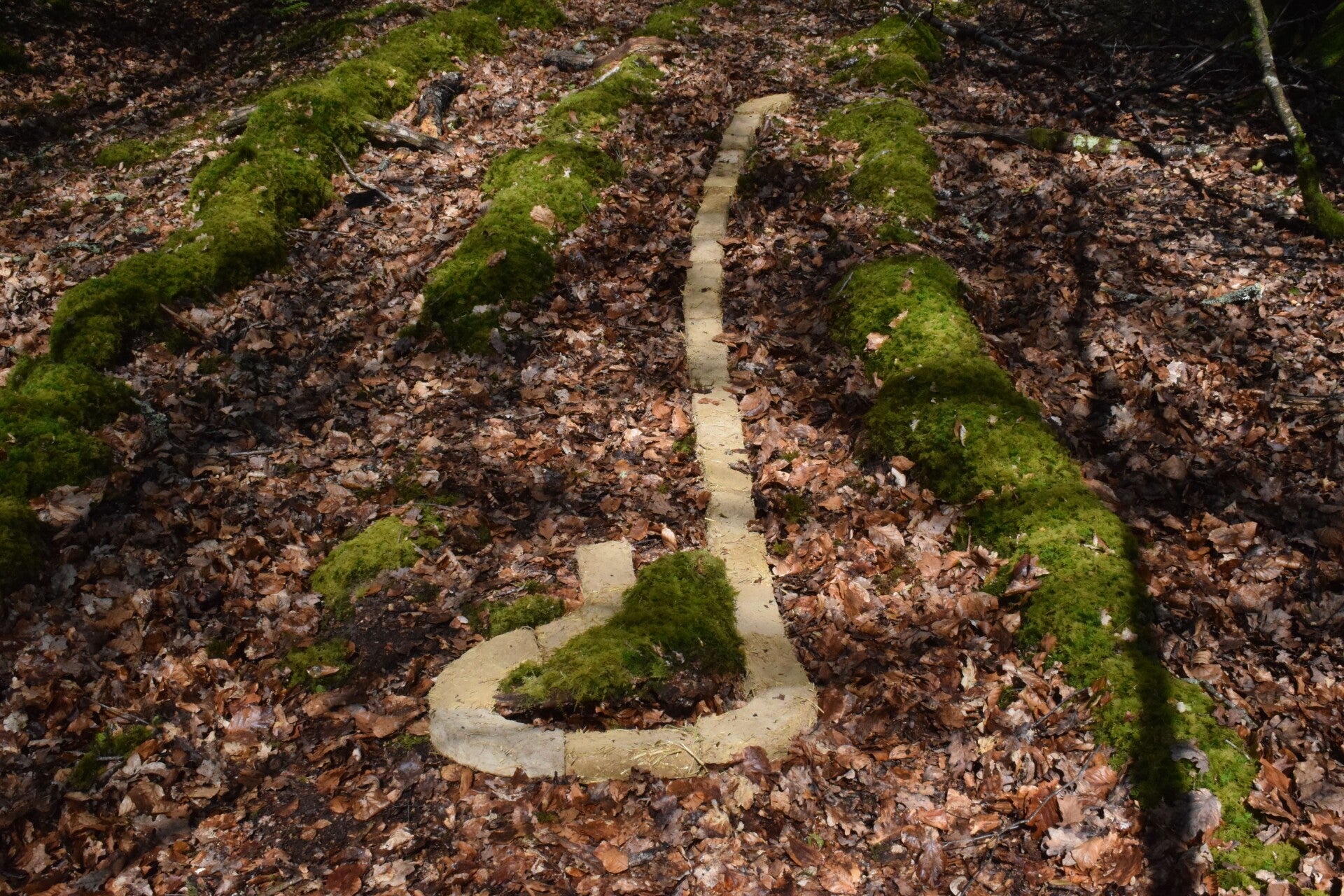
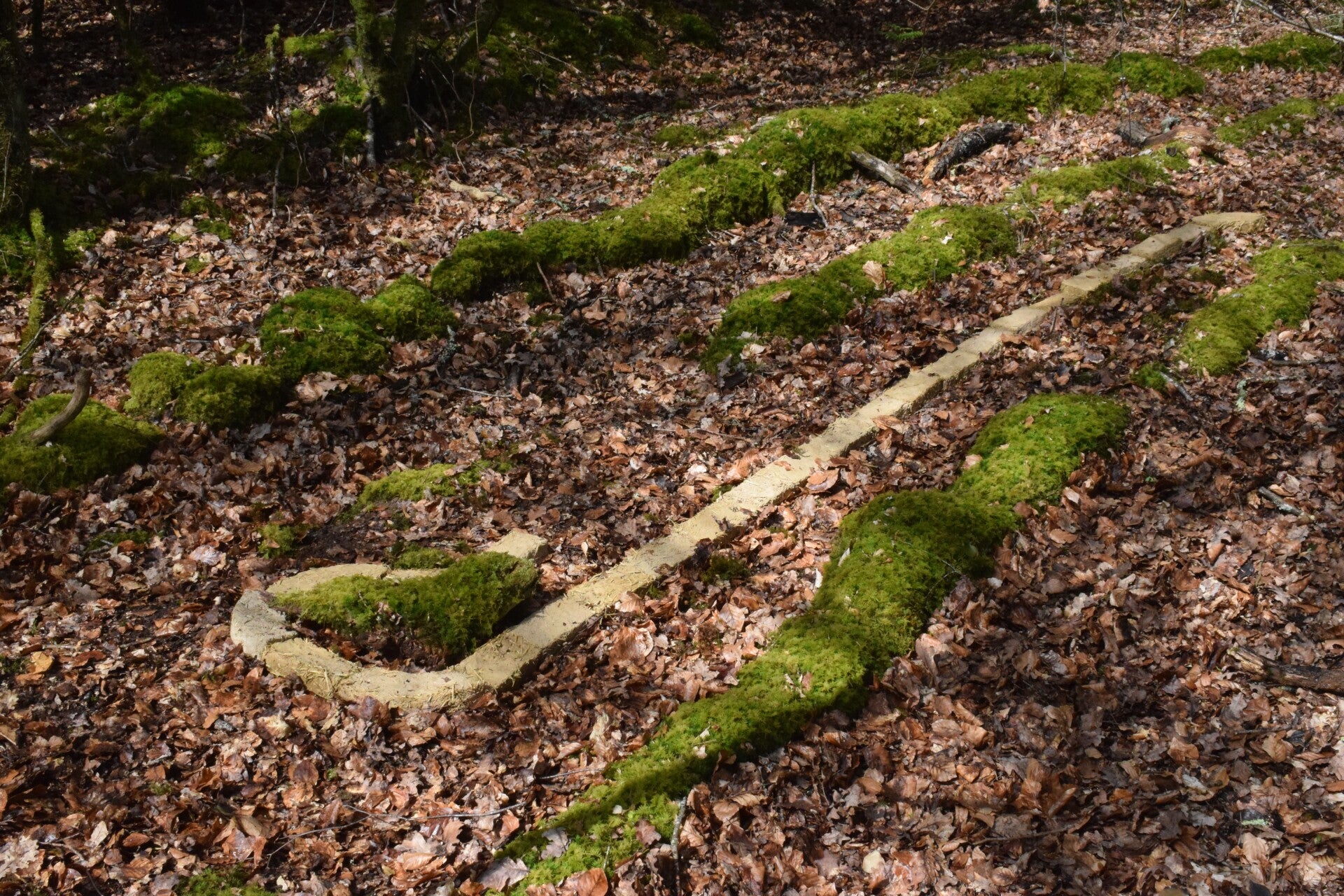
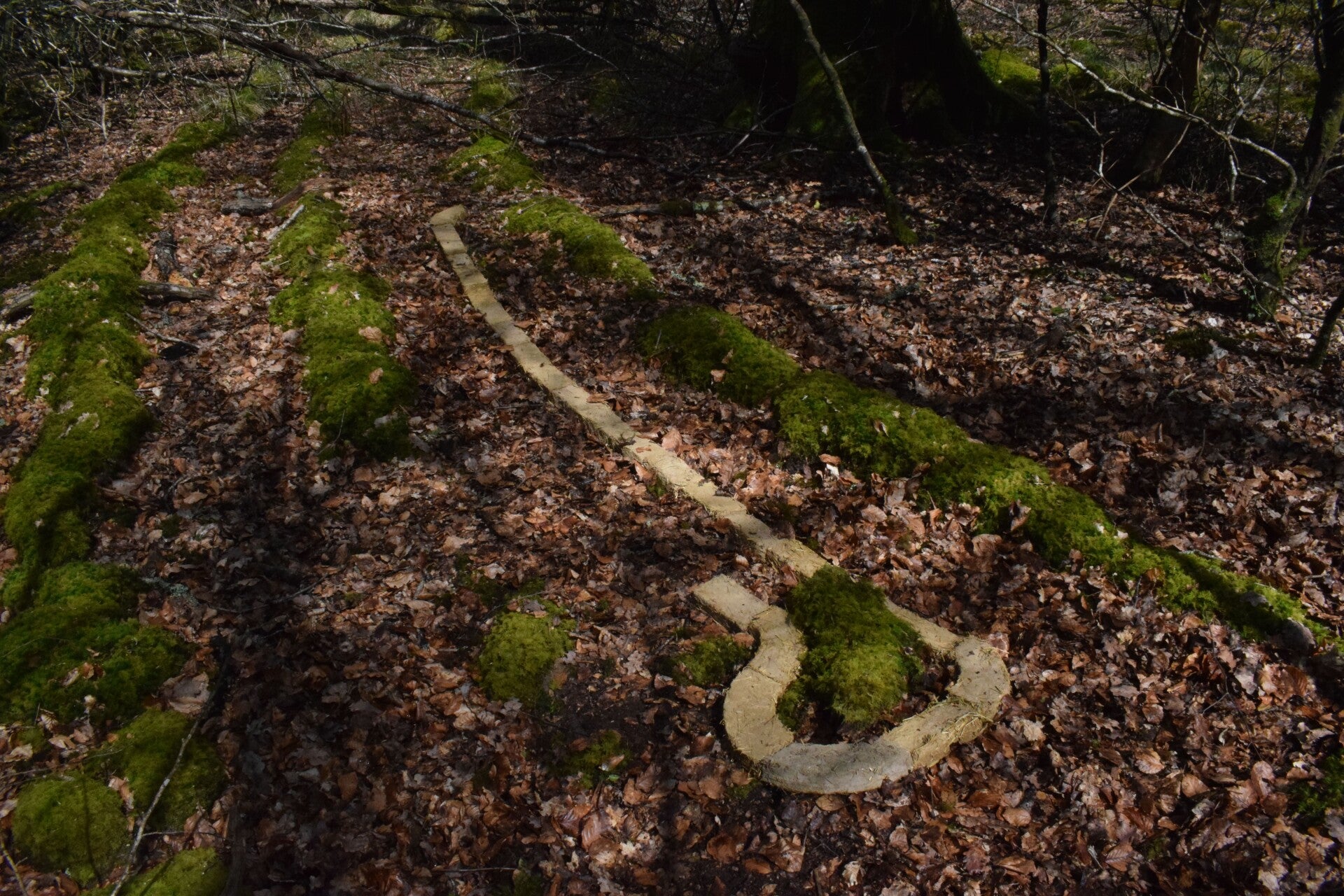
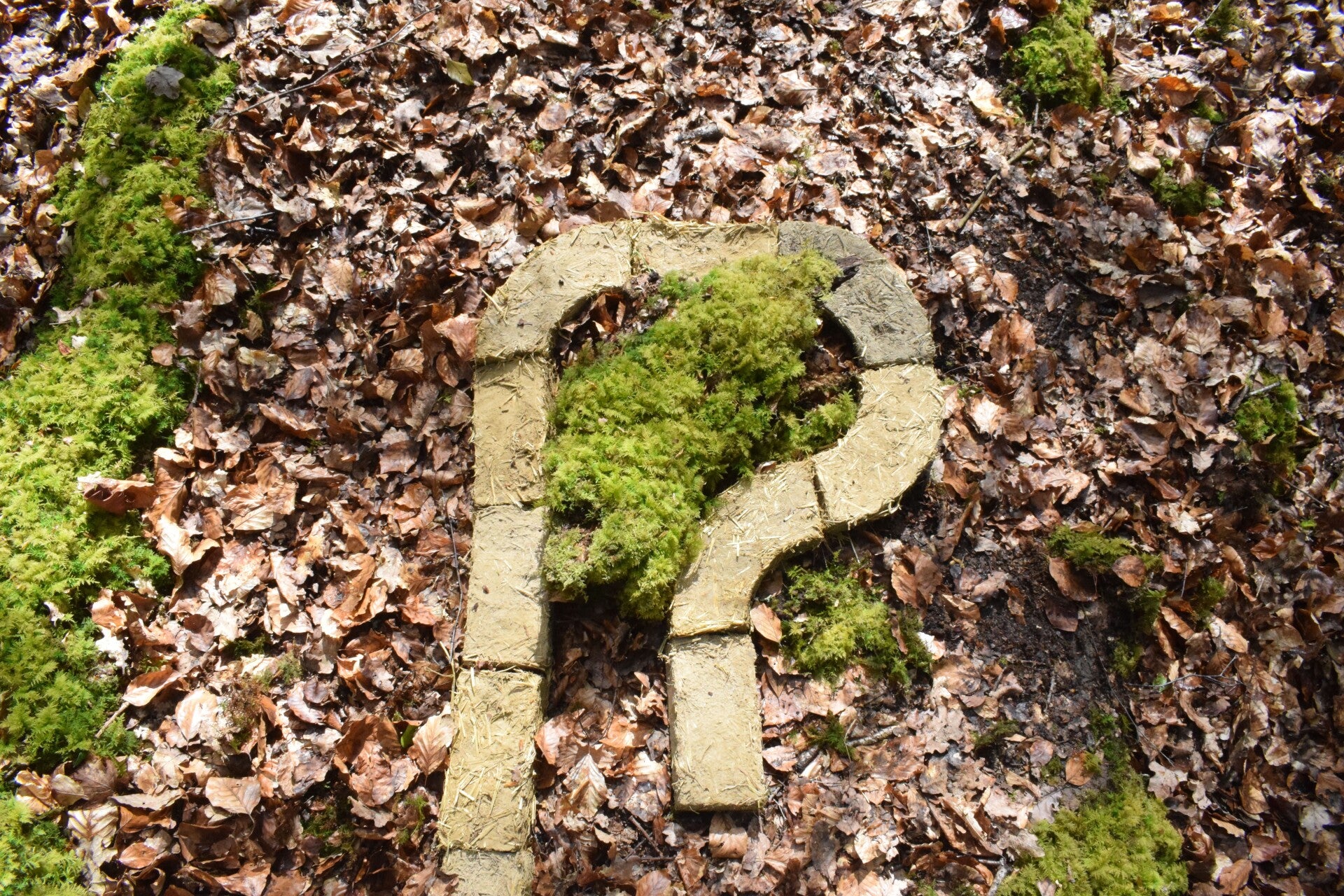
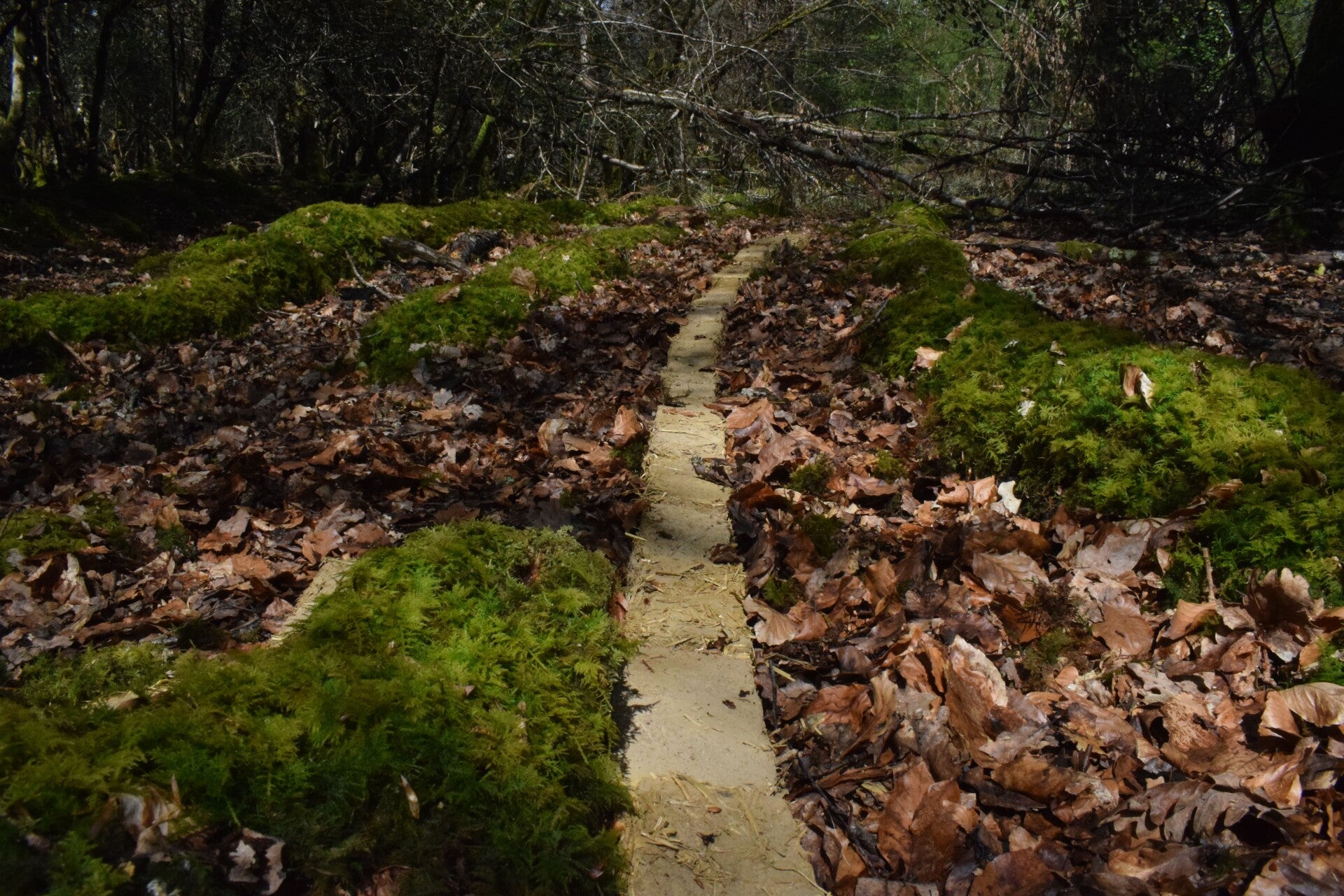
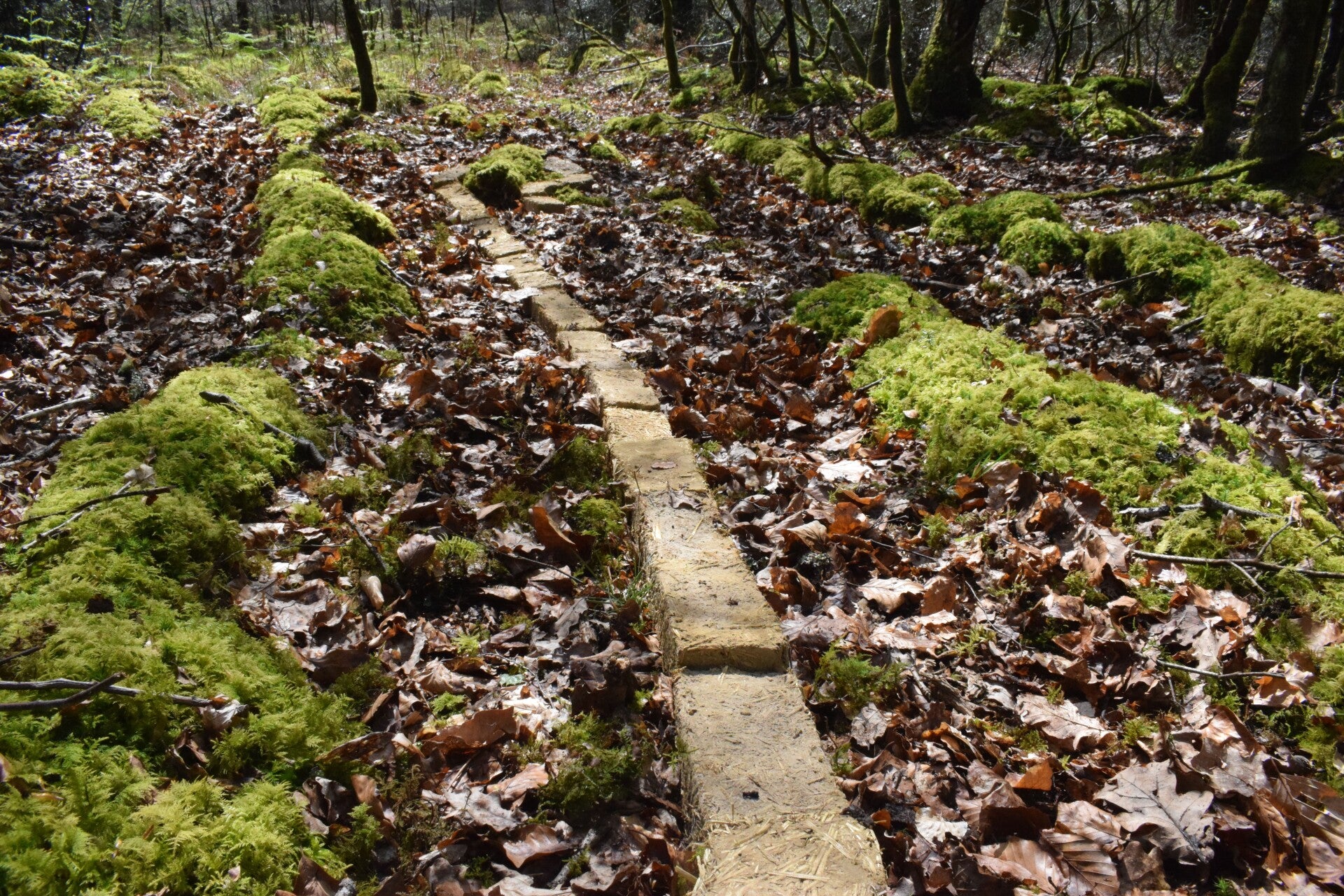
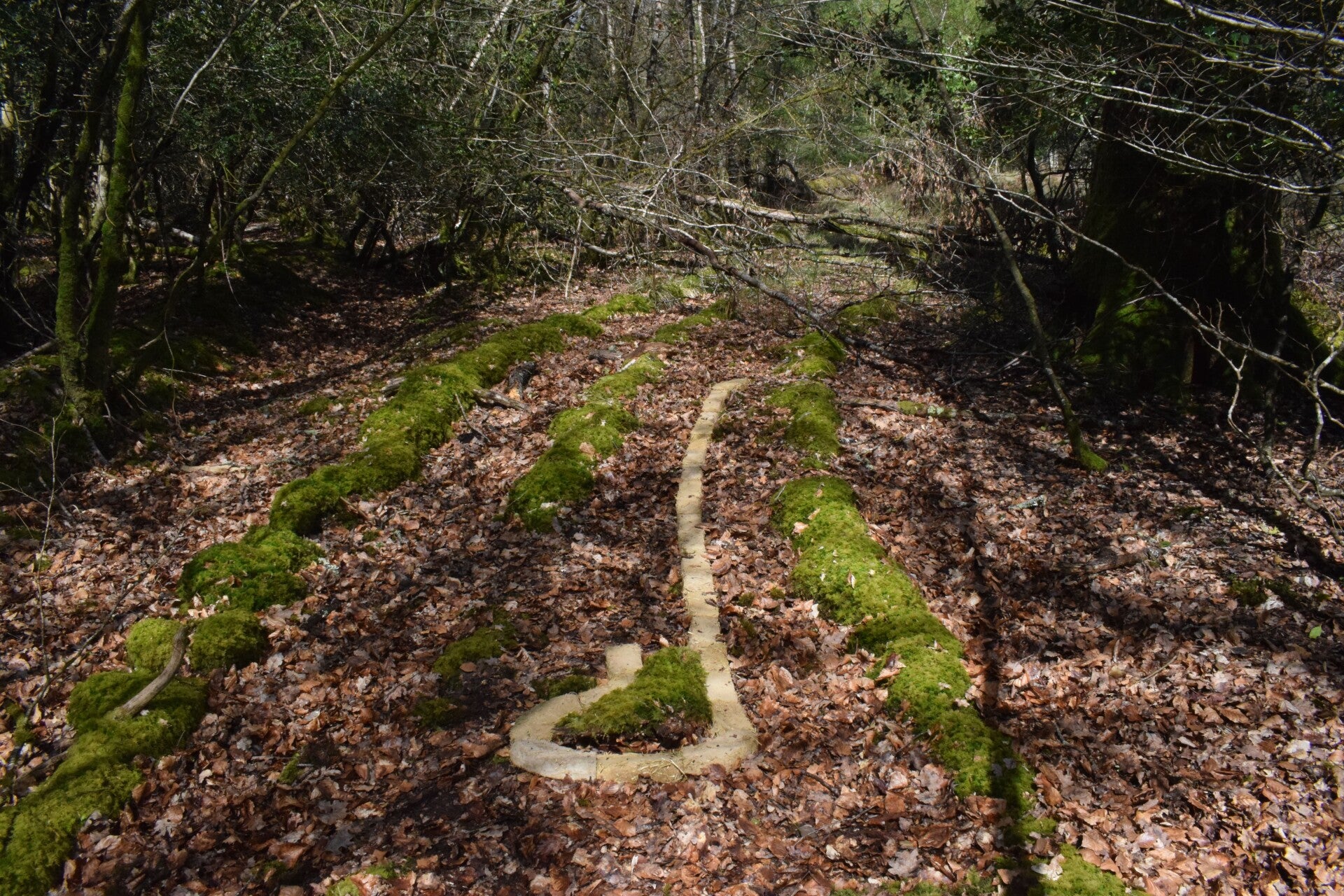
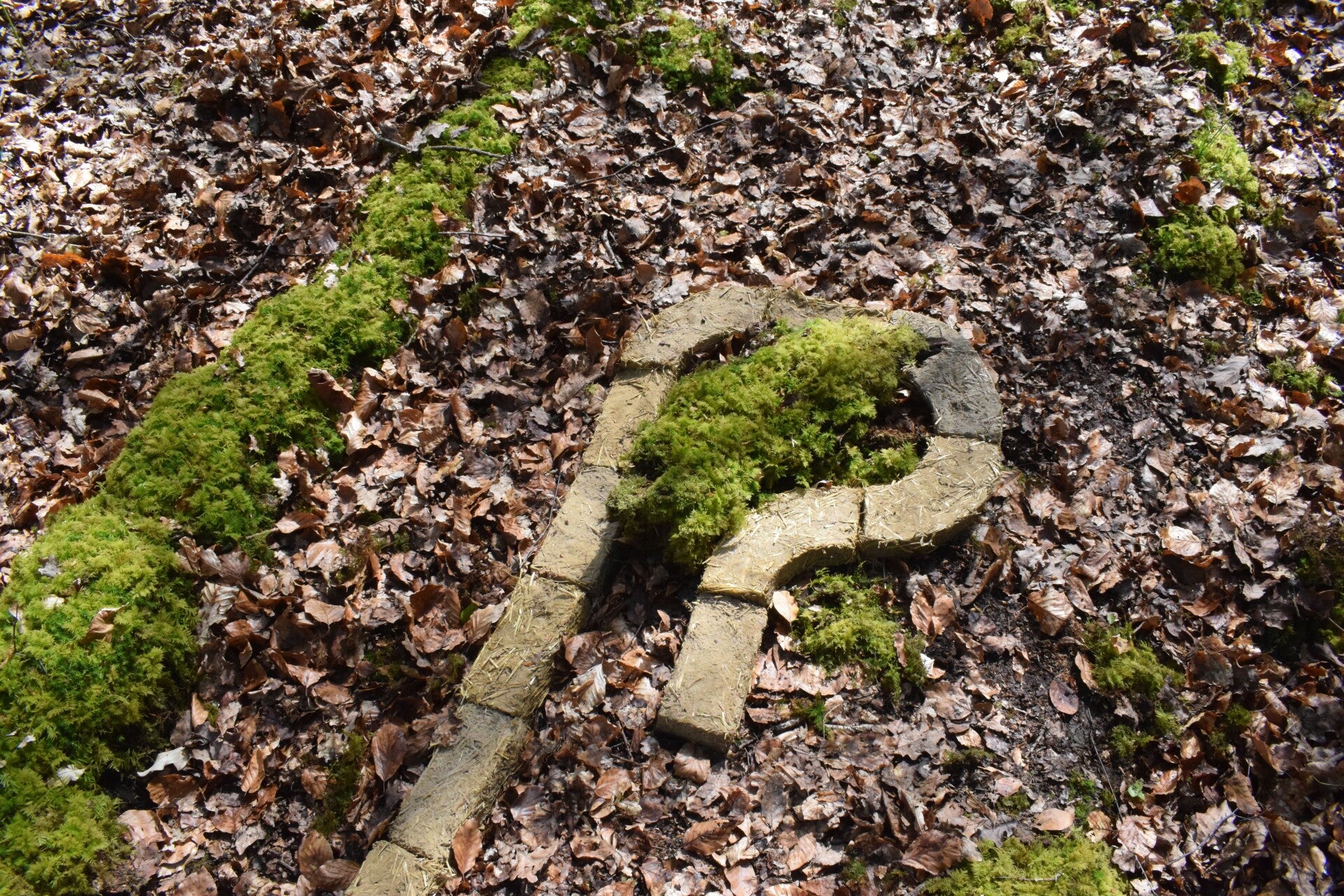
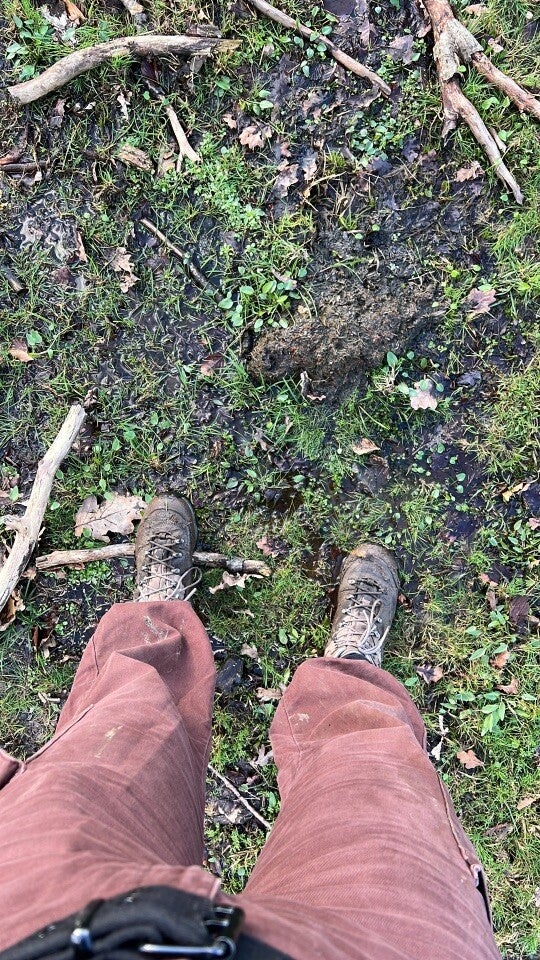
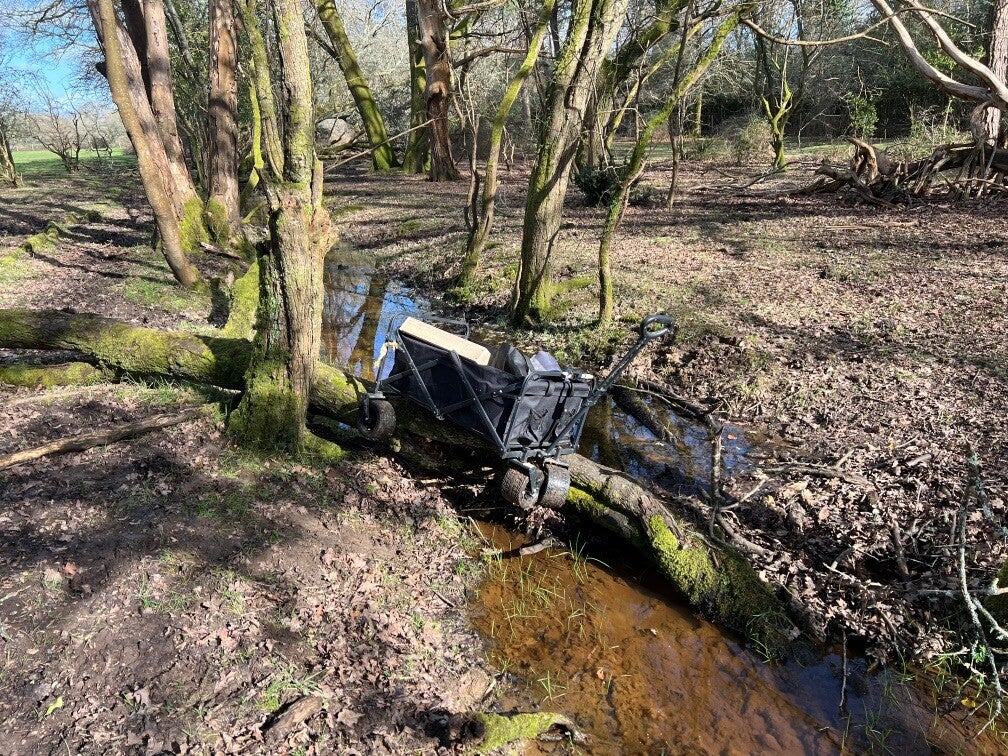
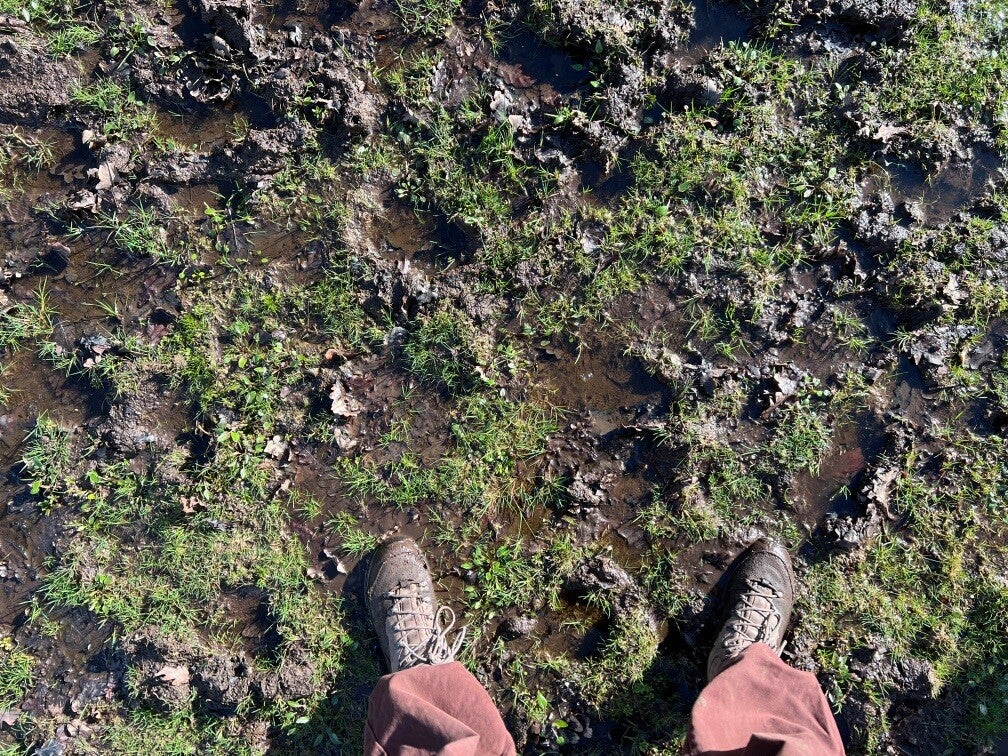
Cob kerbs were cast by hand using moulds based on the dimensions of urban concrete kerbstones. Transported into Ashurst New Forest, the forms were carried until a site emerged through walking. A naturally occurring line of moss became the guide for a temporary pavement, allowing the contours of the forest floor to determine its construction. Built from materials gathered elsewhere and left to weather back into the landscape, the work explores how urban infrastructure might be reimagined through place, process, and time.
Instructions:
Cast cob kerbs.
Transport by hand.
Walk until a site emerges.
Follow the contours of moss.
Construct a temporary pavement.
Leave the work to return to the landscape.
Revisit.
CLAY DEPOSITS

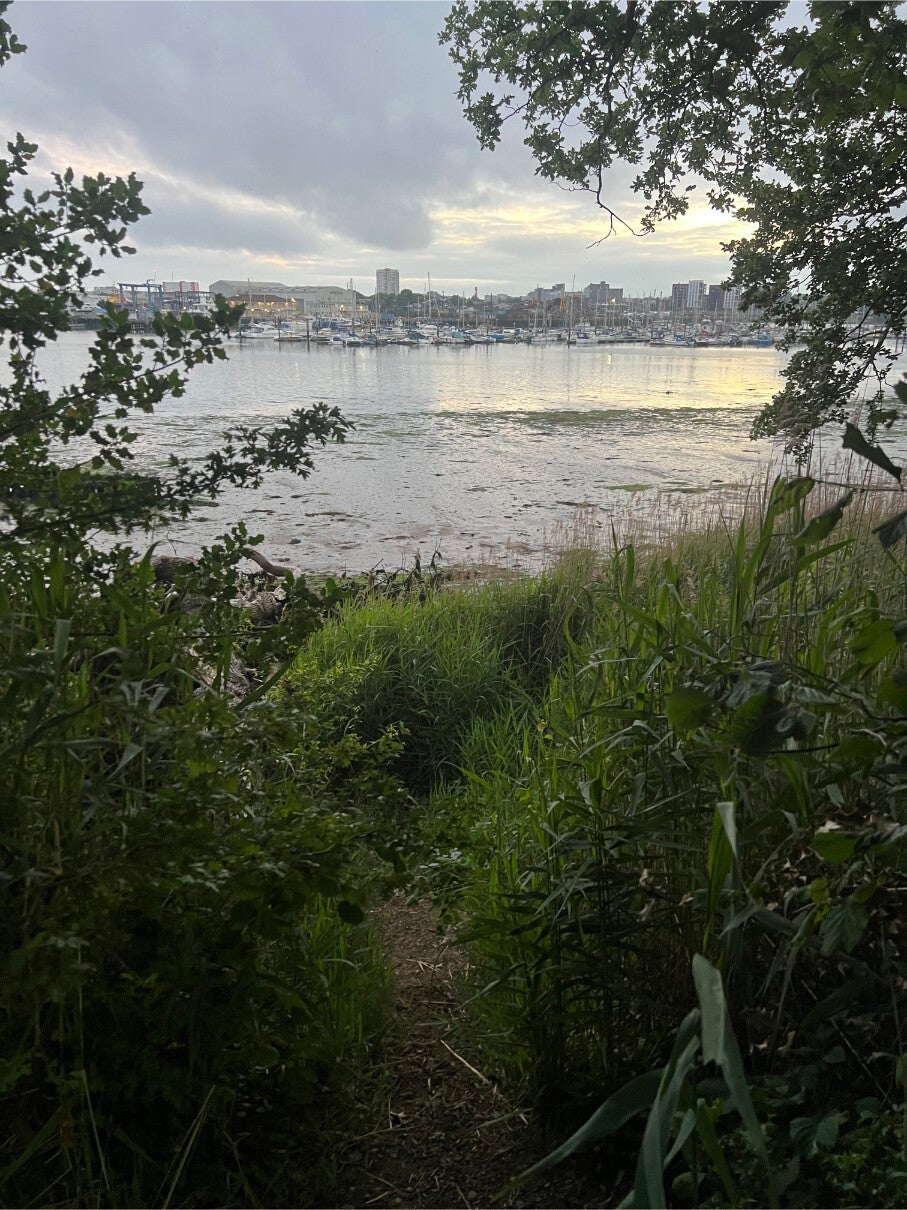
Clay is gathered from exposed deposits along Southampton's industrial shoreline. Each visit begins with locating suitable deposits before extracting only the material required. Contaminants are removed by hand, the excavation is restored, and litter is collected before leaving the site. The clay is transported by foot and processed for use in sculpture and site-specific works.
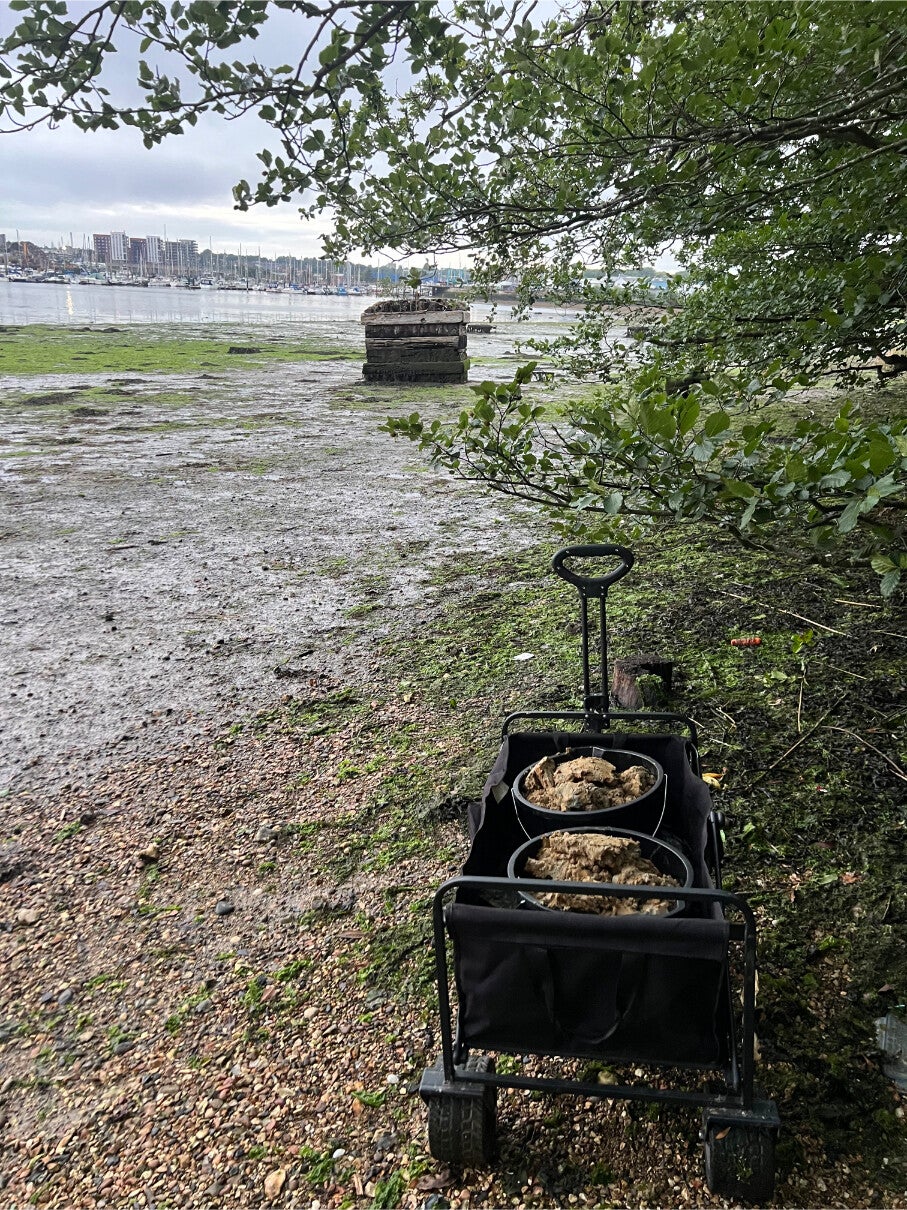
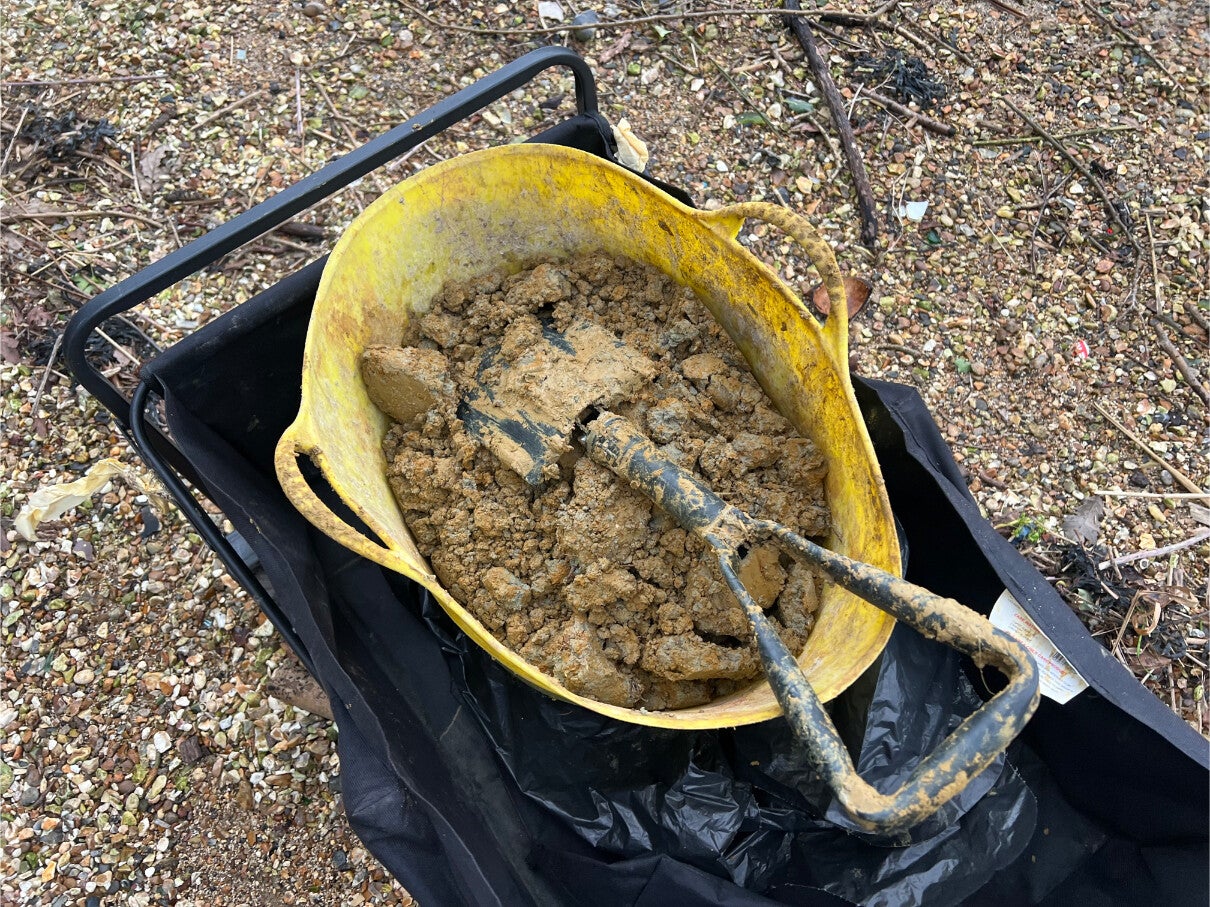
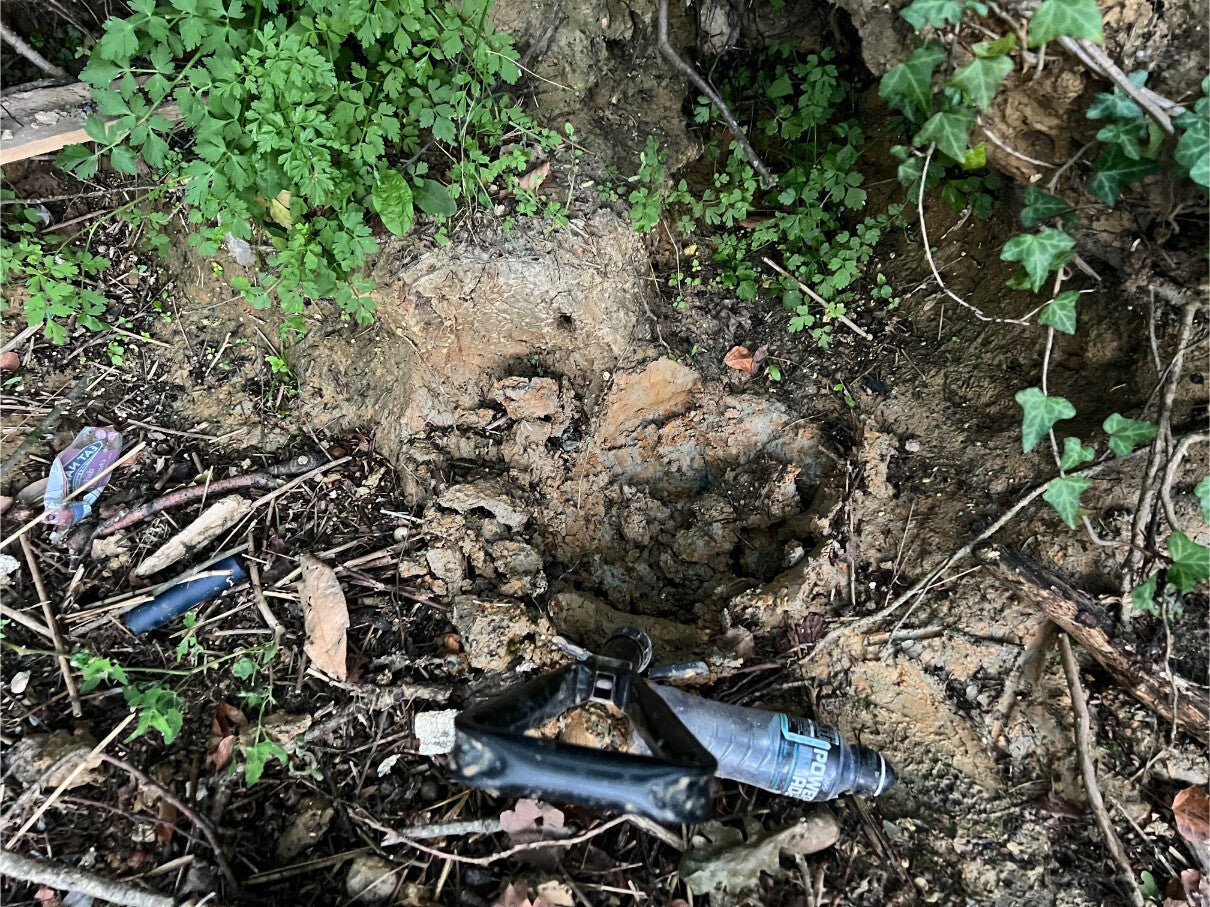
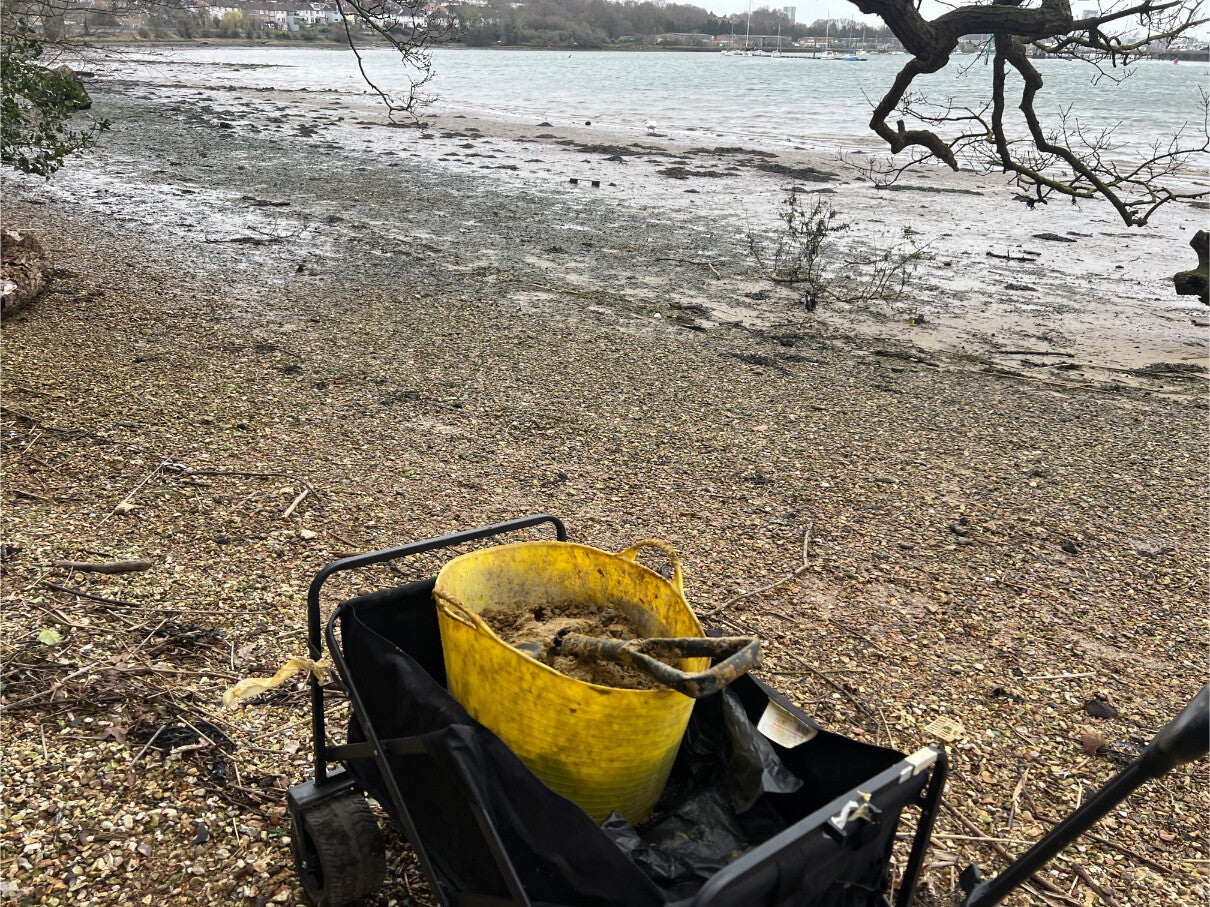
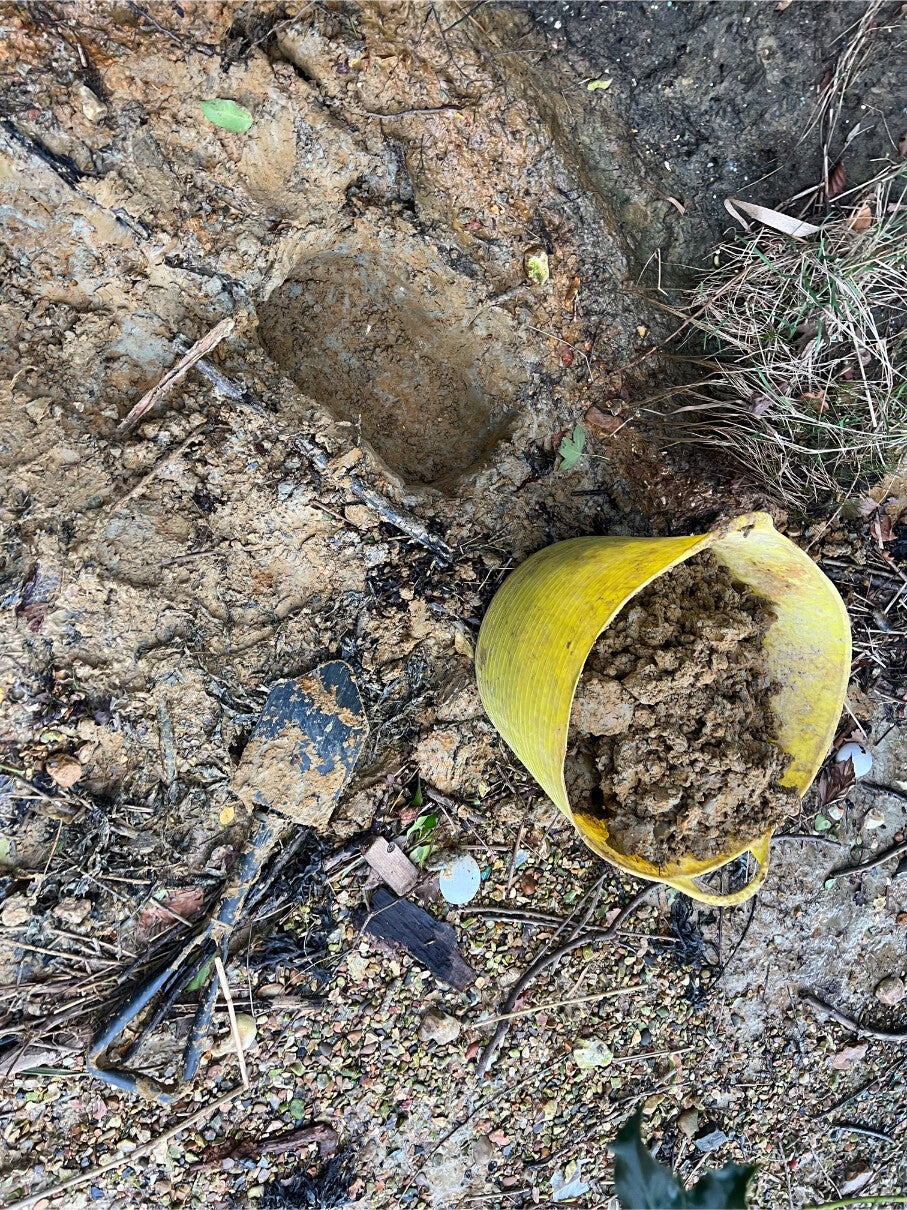
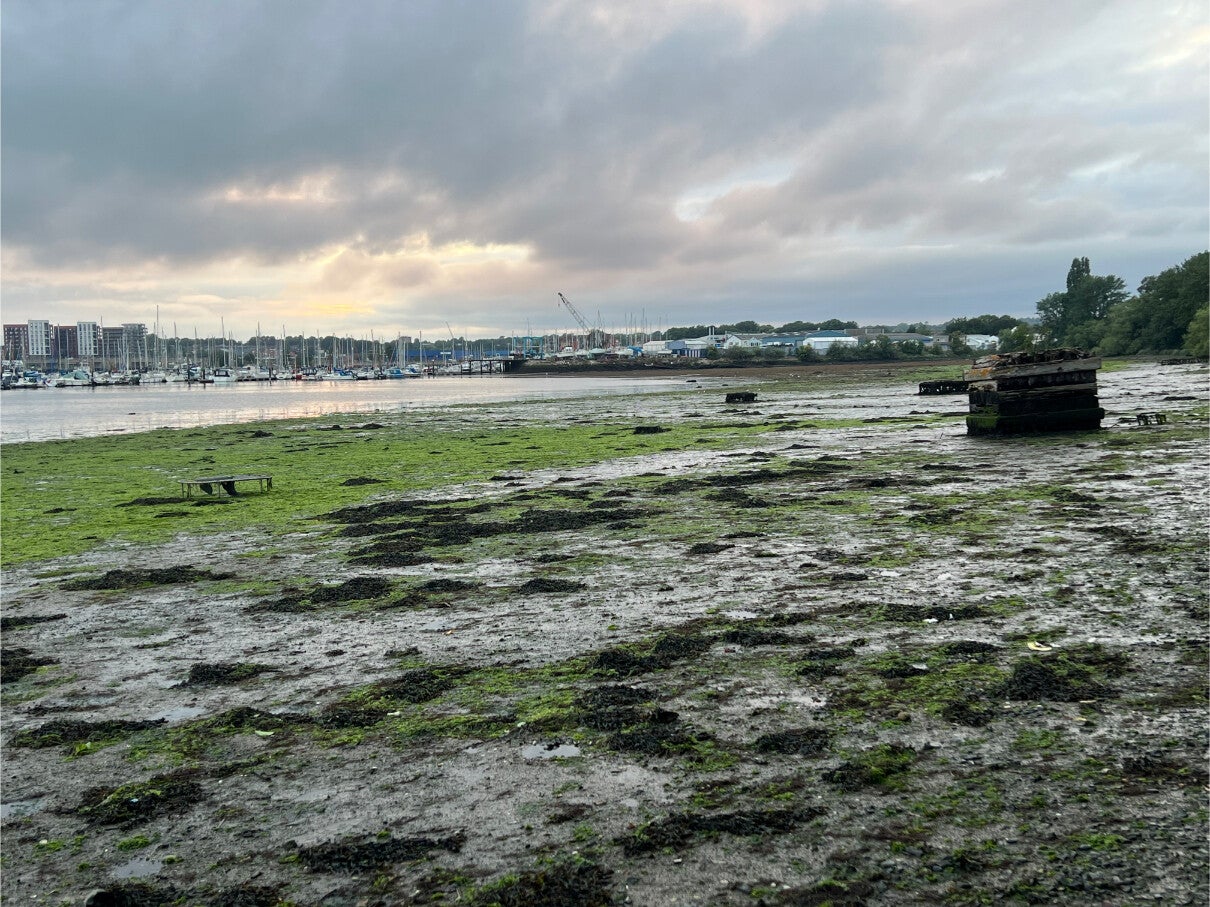
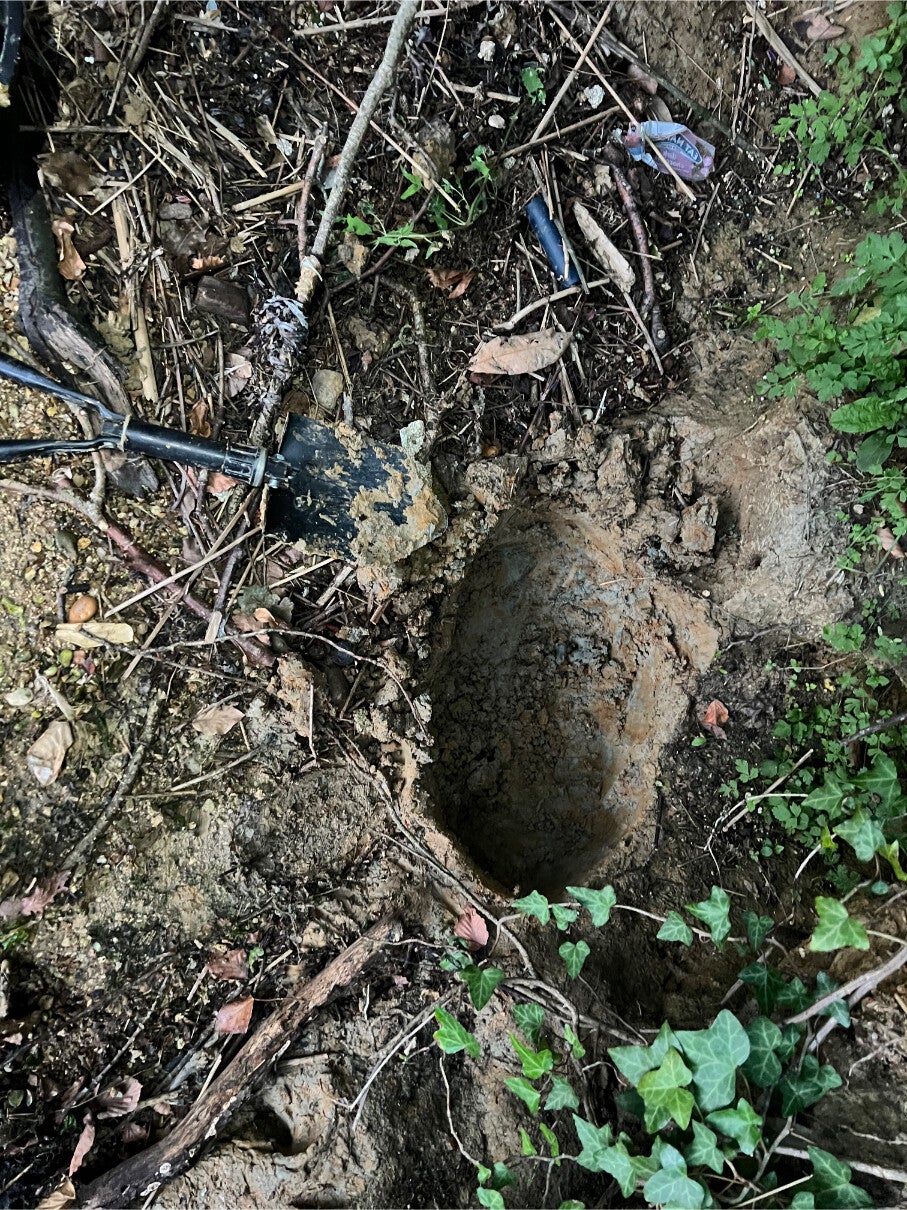
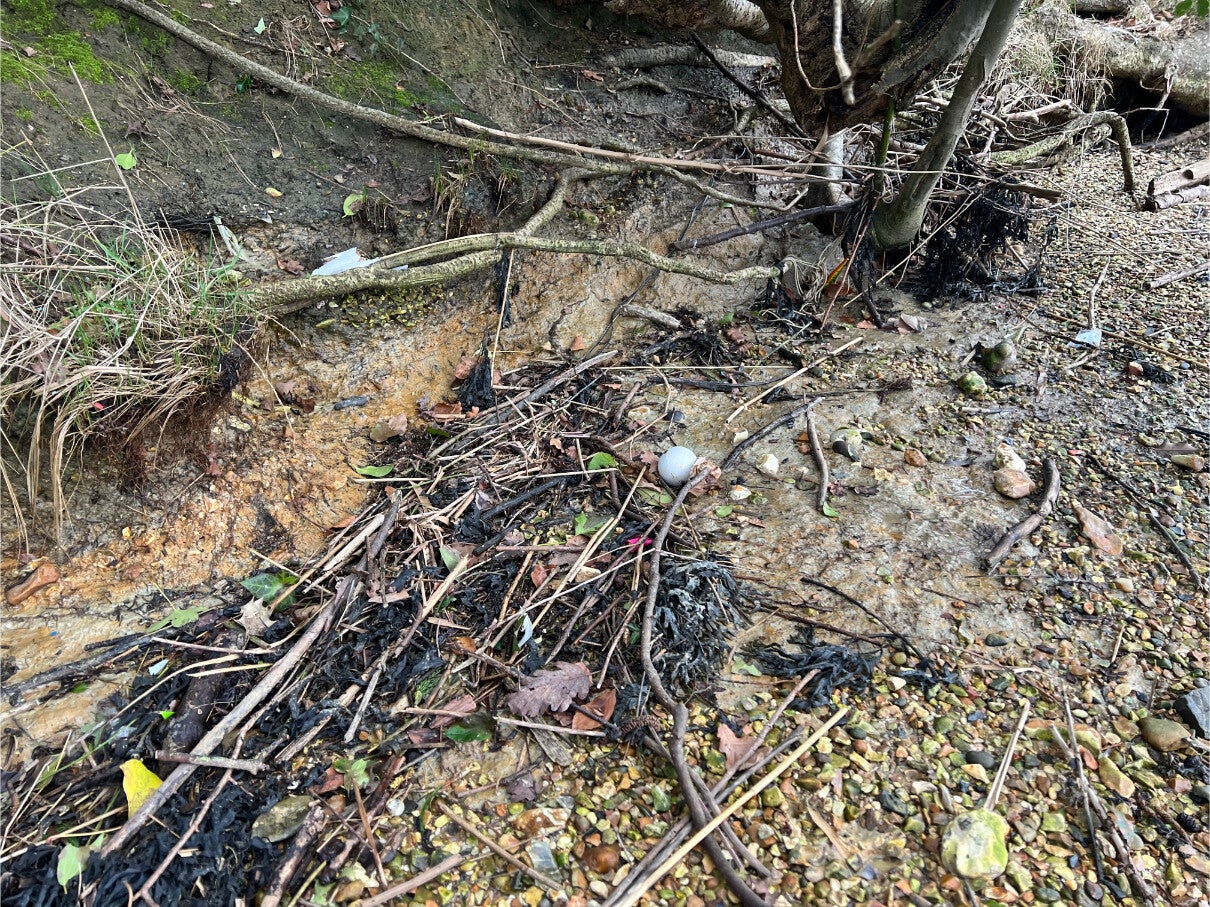
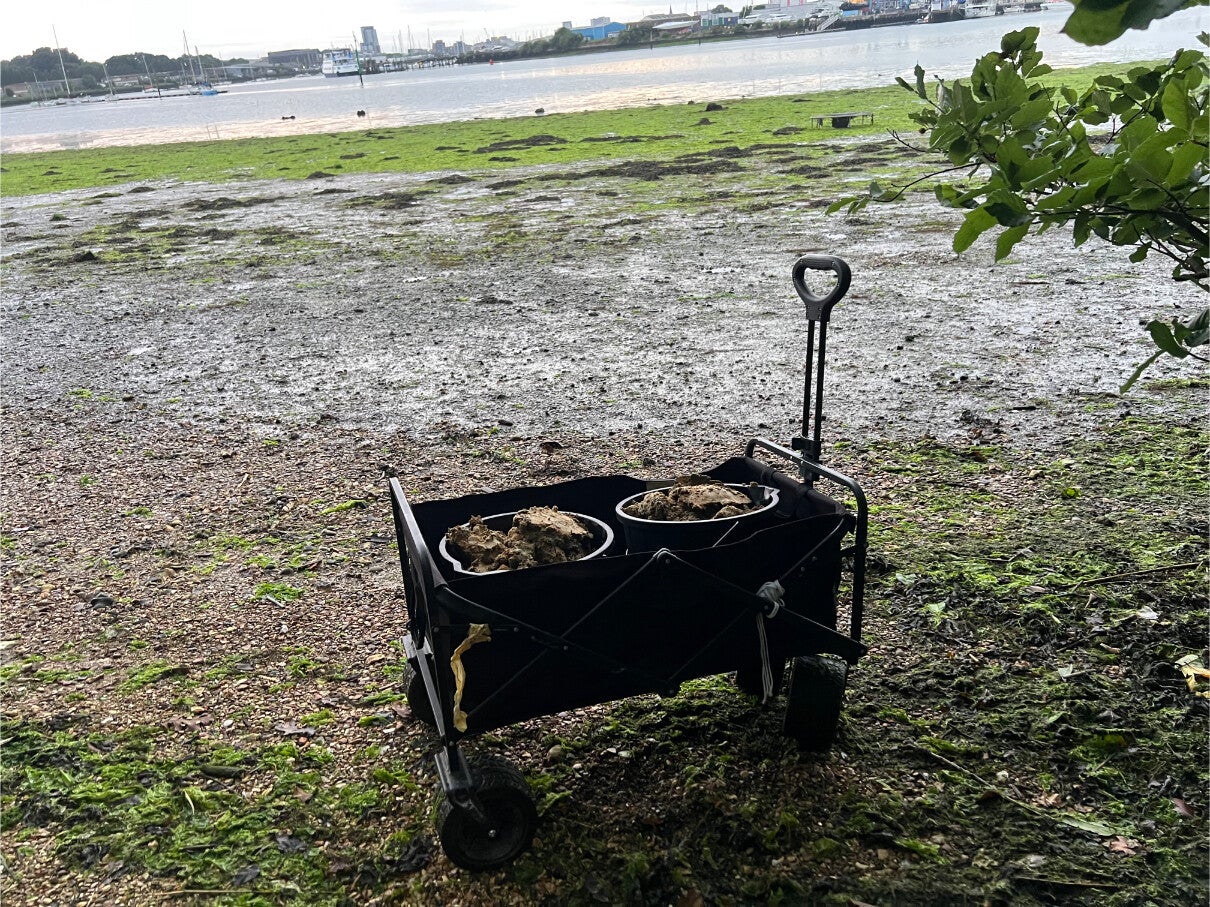
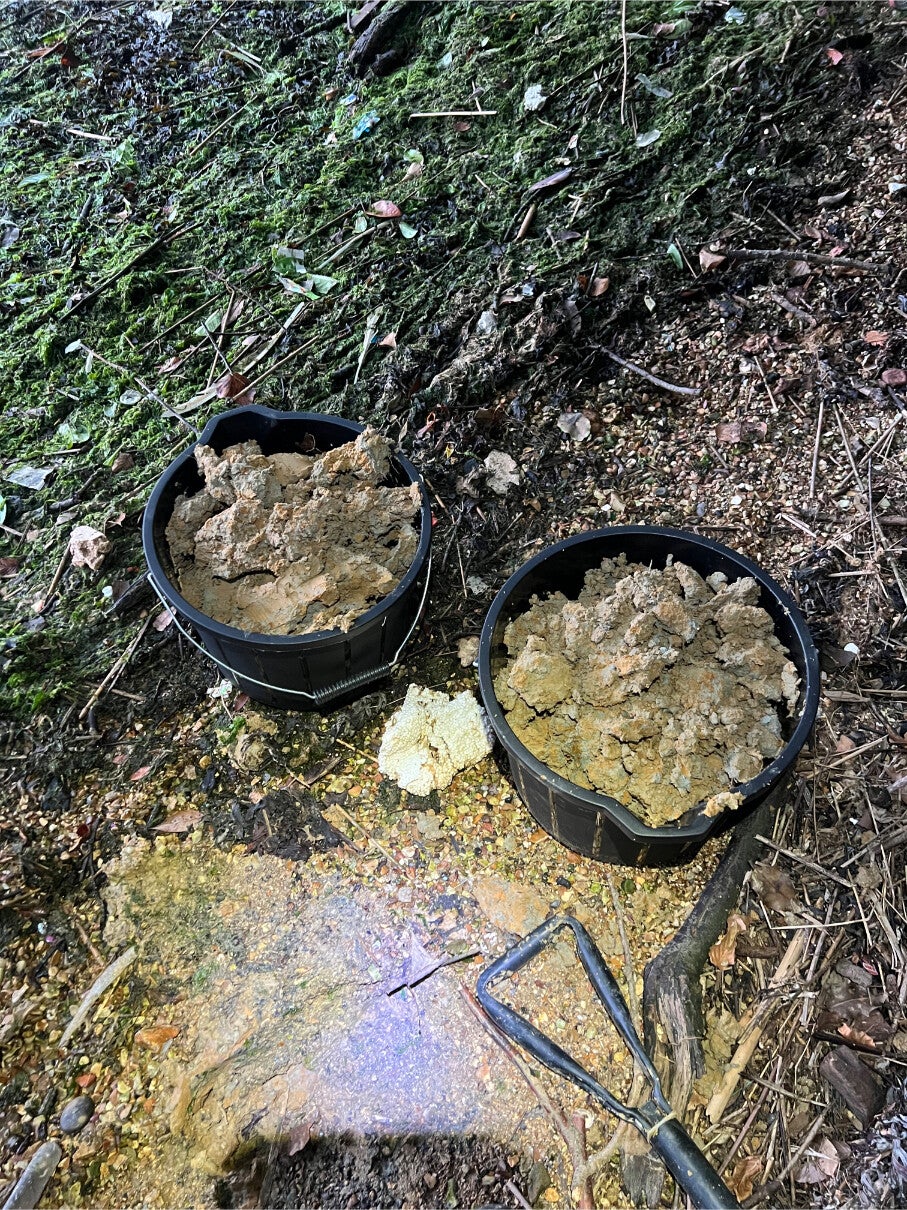
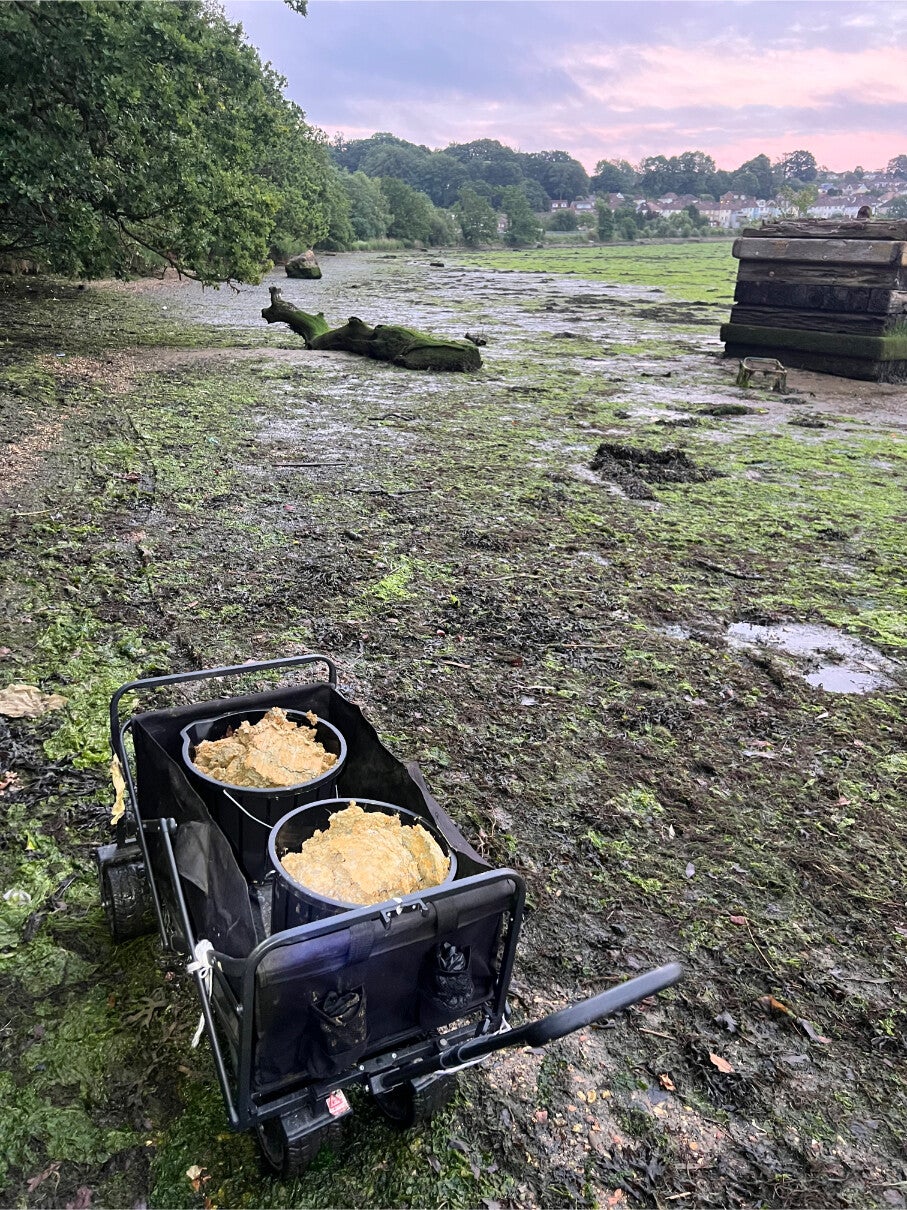
Locate exposed clay.
Assess the site.
Extract only what is needed, small amounts from the surface.
Separate clay from debris.
Record variations in colour and composition.
Restore the ground.
Leave the site in a better condition than it was found.
Transport by hand.
Repeat.
SAND RESERVE
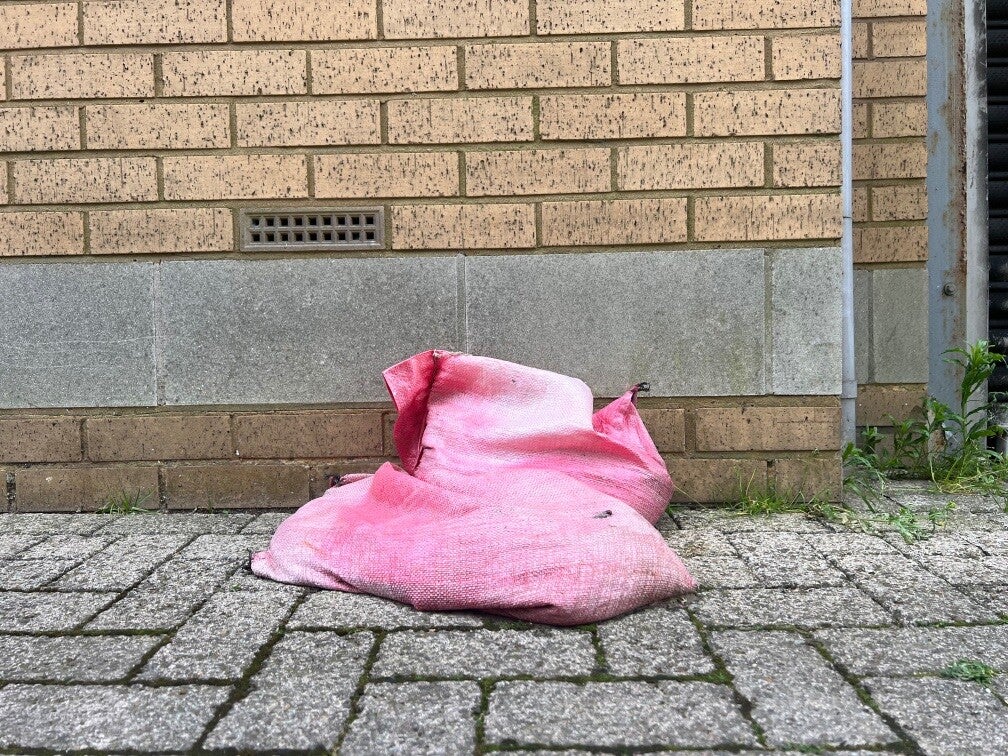
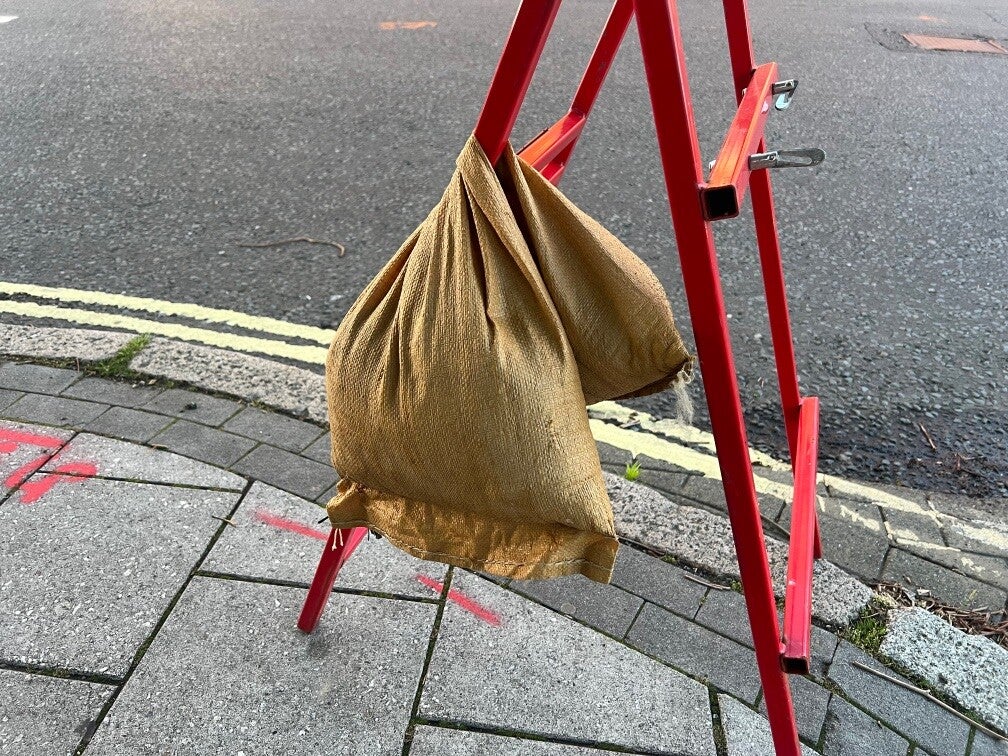
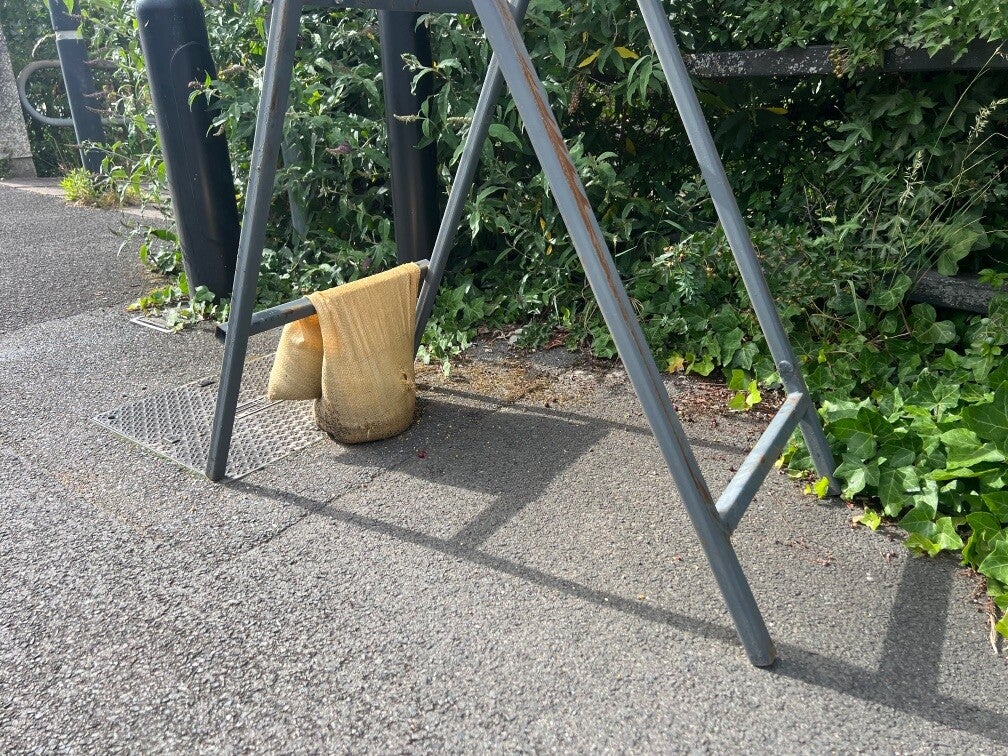
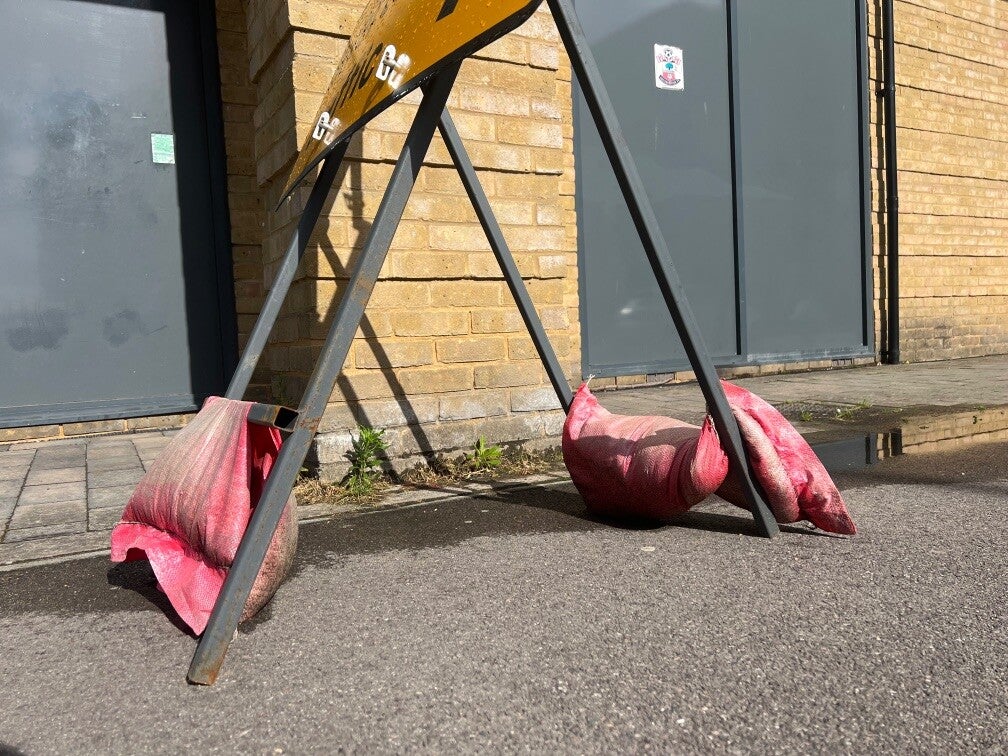
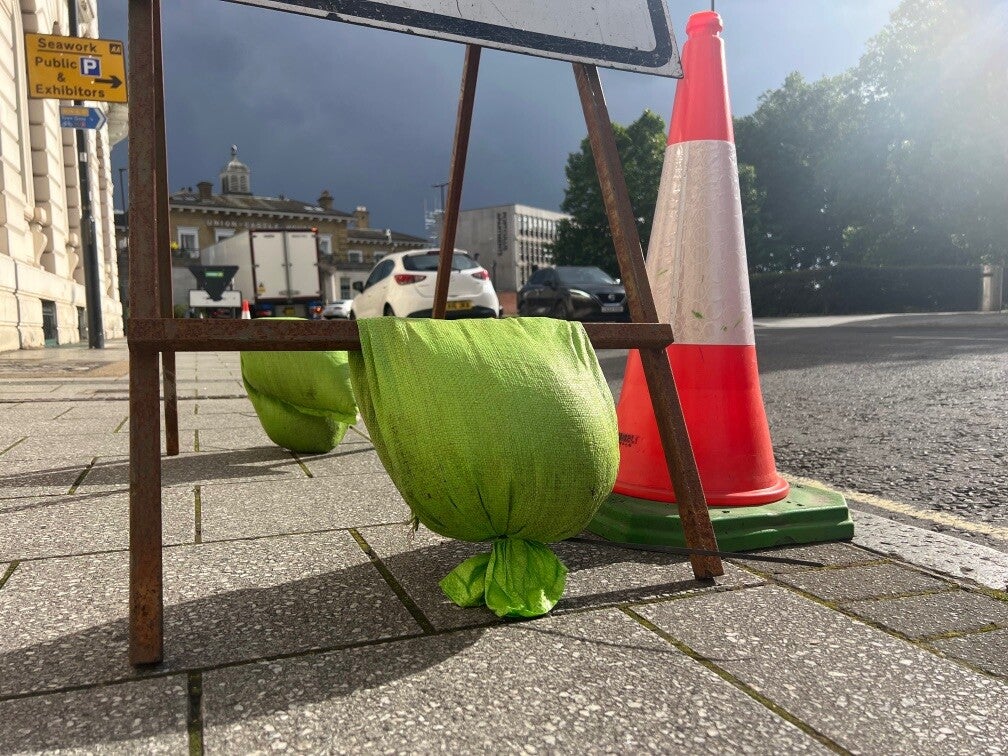
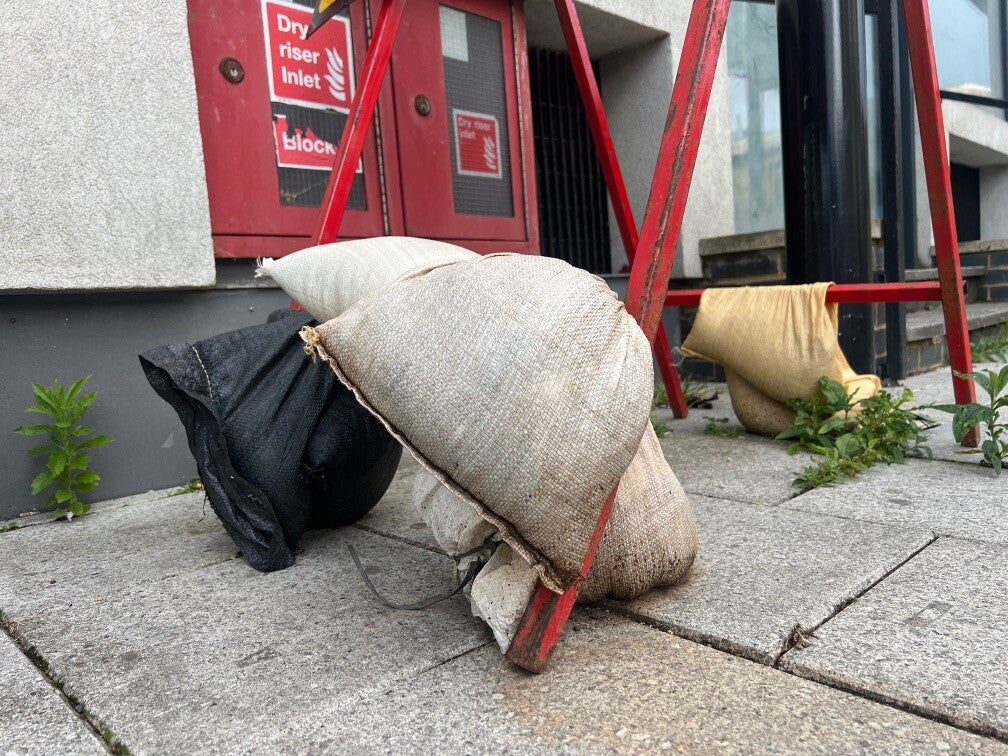
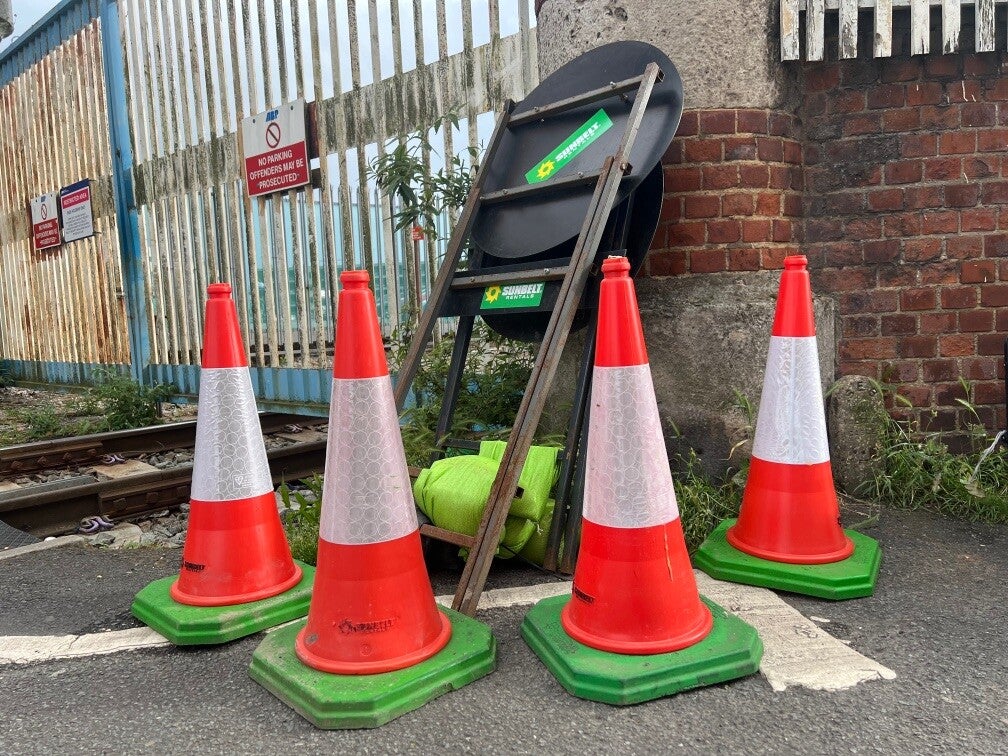
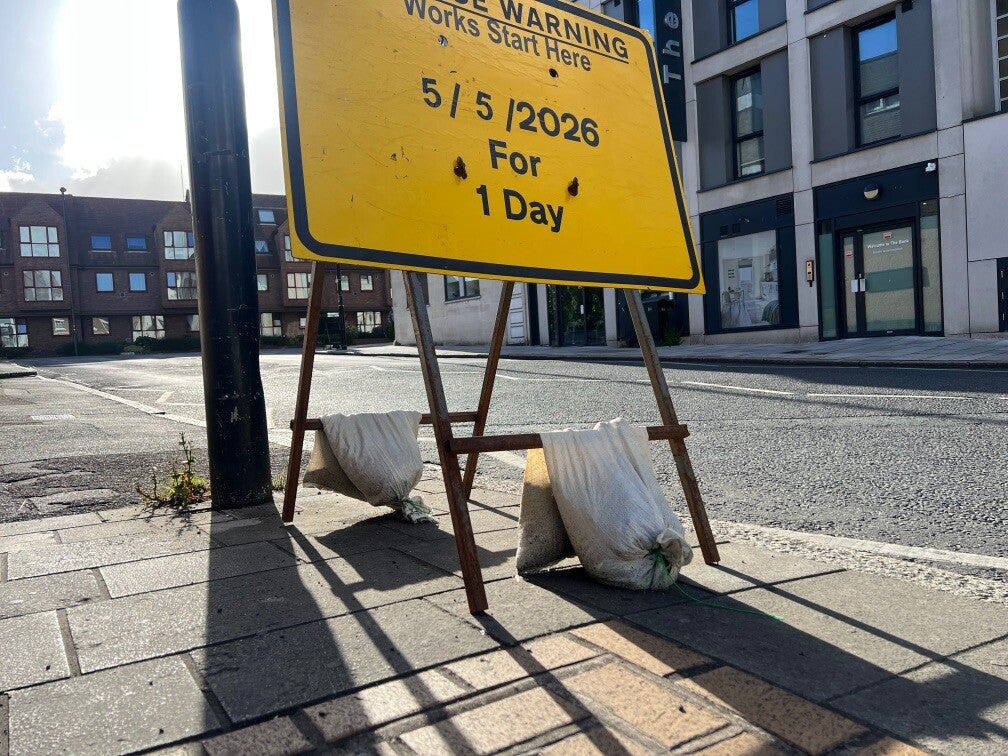
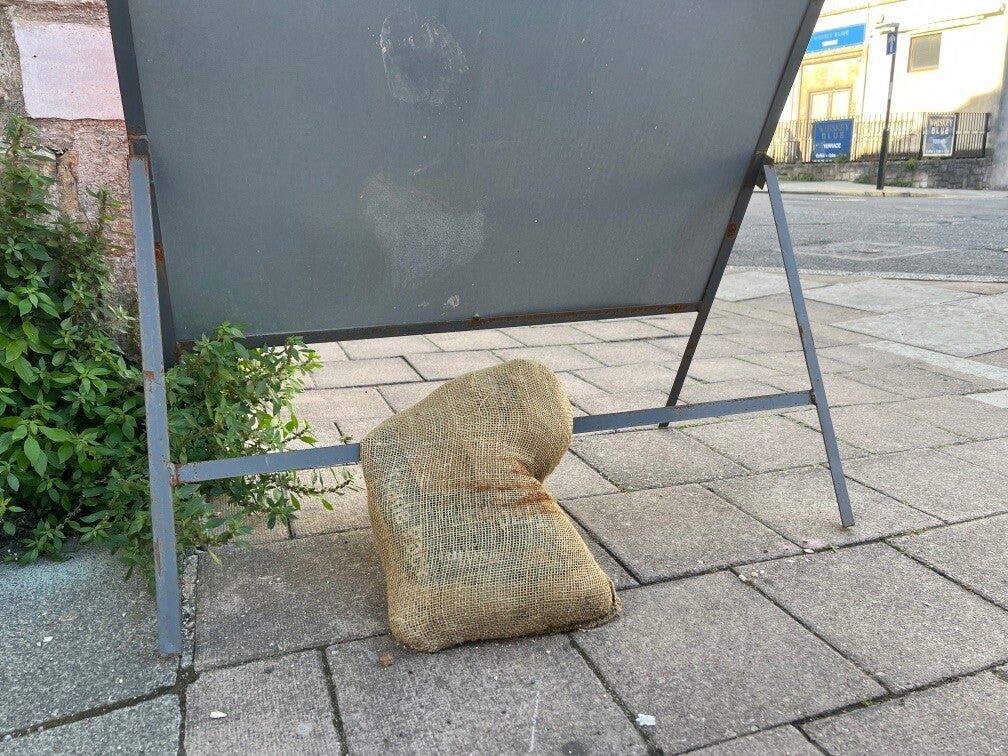
Locate redundant sandbags.
Record the site.
Recover only what is needed.
Replace where required.
Transport by hand.
Reuse the material for future works.
Record the coordinates.